

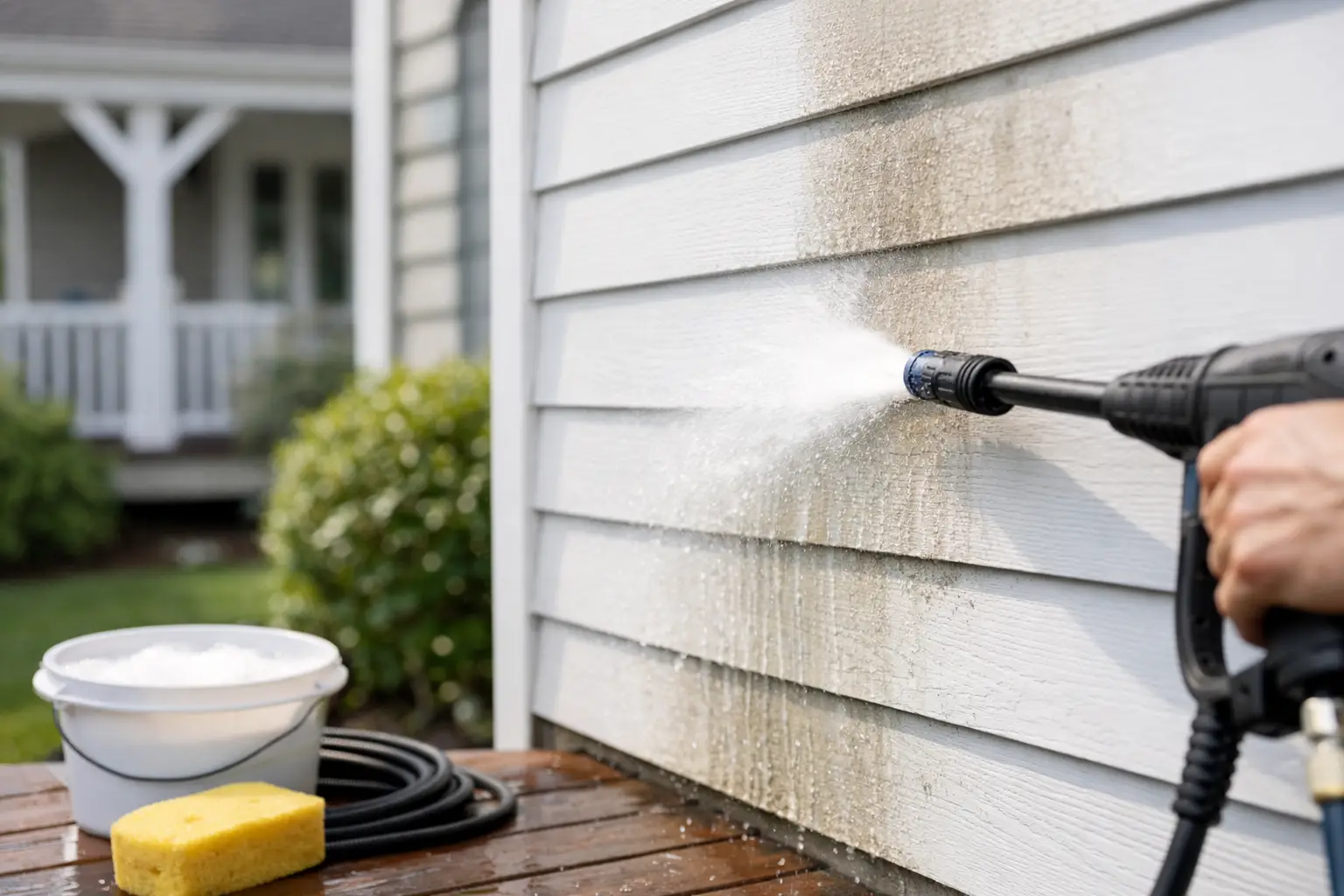
If your weatherboard home is starting to look patchy, green, or tired, the fix is not always more pressure. A proper weatherboard house washing guide starts with one rule: clean the surface without shortening its life. That matters even more across Southeast Queensland, where humidity, salt air, mould and grime can build up fast and turn a good-looking exterior into a maintenance problem.
Weatherboard homes need a different approach from brick, concrete or hard commercial surfaces. Timber and painted boards can hold moisture, react badly to harsh chemicals, and suffer visible damage from incorrect pressure. If you own an older home, or you are preparing a property for sale, tenancy turnover or routine upkeep, the safest clean is usually the one that removes growth and staining while protecting the coating underneath.
Why weatherboard washing needs a gentler method
Weatherboards are designed to shed water, not cop a blasting. High pressure can force water behind boards, strip paint, rough up timber fibres and leave the surface more vulnerable than it was before you started. That is why soft washing is often the better option for painted weatherboard exteriors.
Soft washing relies on the right cleaning solution, applied at low pressure, to break down mould, algae, dirt and organic staining. Instead of trying to smash contamination off the surface, it treats the source and then rinses it away carefully. On a weatherboard home, that difference matters. You get a cleaner finish with far less risk to paintwork, sealants and surrounding surfaces.
There are times when pressure still has a role, but it depends on the surface condition, the age of the paint, and how badly the exterior has been neglected. The skill is knowing where to use force and where not to.
A practical weatherboard house washing guide
The first step is checking what you are actually dealing with. Black spotting may be mould. Green build-up is often algae. Grey film can be a mix of dust, road grime and air pollution. Peeling areas may point to coating failure rather than dirt alone. If paint is already chalking or flaking, washing will not fix that, and an aggressive clean can make it worse.
Before any washing starts, walk the whole exterior and look for cracked boards, open joints, rotten sections, loose paint, damaged sealant and exposed timber. Also note nearby electrical fittings, vents, window frames, gardens and outdoor furniture. A weatherboard house wash should improve presentation, not create extra repair work.
Next comes surface preparation. Close windows properly, move lightweight items away from the walls, and lightly wet nearby plants if chemical overspray is a possibility. Covering sensitive areas can help, especially around fragile garden beds. If you are cleaning a two-storey home, access and safety become a major factor. Ladders, wet ground and uneven surfaces can turn a basic wash into a risky job very quickly.
The cleaning solution should match the contamination and the surface. This is where many DIY jobs go off track. A product that works on concrete or pavers may be too harsh for painted boards. On the other hand, plain water usually will not remove embedded mould or kill the spores causing regrowth. The goal is not just to rinse the wall. It is to treat the organic growth properly so the result lasts longer.
Application should be controlled and even. Work in sections, usually from the lower areas upward when applying detergent, then rinse carefully to avoid streaking. Keep pressure low and avoid directing water upward into laps, gaps or trim joins. On hot days, products can dry too quickly, which reduces effectiveness and increases the risk of patchy results. Early morning or milder conditions are usually easier to manage.
Rinsing is where patience pays off. Weatherboards do not respond well to rushed washing. A careful rinse clears away loosened grime while protecting the coating. If staining remains after a proper soft wash, it may be permanent discolouration, oxidised paint, or a sign that repainting is due.
Common mistakes that cause damage
The biggest mistake is assuming more pressure equals a better clean. On weatherboard, it often means gouged paint, water ingress and a rough finish that attracts dirt faster afterwards. Another common issue is using the wrong chemical strength. Too weak, and the mould comes back quickly. Too strong, and you risk affecting paint, metal fixtures or nearby landscaping.
Scrubbing with stiff brushes can also mark painted boards, especially older coatings. So can washing in full sun when chemicals flash dry before they have time to work. Even the direction of the spray matters. Forcing water up under laps is a simple way to create hidden moisture problems.
There is also the question of frequency. Washing too often with poor technique can wear the surface down. Leaving the house untouched for years allows mould, grime and airborne contaminants to settle deeper into the coating. Most homes benefit from periodic washing as part of a broader maintenance plan, but the right interval depends on location, shade, tree cover and exposure to moisture.
How often should a weatherboard home be washed?
For many homes in Southeast Queensland, an annual or biennial wash is a sensible baseline. Properties near the coast, under heavy tree canopy, or in damp shaded spots may need attention more often. Homes in cleaner, drier positions may stretch longer without obvious build-up.
What matters is not following a fixed calendar blindly. Watch for the early signs – green growth on the southern side, dark streaks under eaves, grime around windows, and dull paint that no longer looks clean after rain. Addressing these issues early is usually faster, safer and more cost-effective than waiting until the whole exterior looks neglected.
If you manage a rental or strata property, scheduled exterior cleaning can also help with presentation and long-term upkeep. A clean façade supports property value, tenant appeal and maintenance planning.
DIY or professional washing?
A single-storey weatherboard cottage with light dirt build-up may be manageable for a confident owner using the right low-pressure method. But even then, success depends on product choice, equipment control and knowing when to stop. If the home is older, two storeys, heavily stained, recently painted, or showing signs of coating wear, professional cleaning is usually the safer move.
This is where surface knowledge matters more than enthusiasm. A professional team should understand how to match pressure and treatment to each part of the property – weatherboards, trims, paths, driveways, windows and surrounding hard surfaces. Done properly, the house comes up cleaner without sacrificing the finish you are trying to protect.
For service-based results, that balance is the difference between a quick wash and real maintenance. At Boost Exterior Cleaning, the focus is on using the appropriate pressure and chemical treatment for each surface so weatherboard homes can be cleaned safely and still deliver that strong before-and-after improvement owners want to see.
What to expect after washing
A well-cleaned weatherboard home should look brighter, more even in colour, and free from the green and black growth that makes paint look older than it is. It can also reveal the true condition of the coating. Sometimes what looked like dirt was actually oxidation or paint failure, and cleaning simply makes that easier to identify.
That is not a bad outcome. Clean surfaces make maintenance decisions clearer. If repainting is coming up, washing is an important first step. If the paint still has life in it, a proper clean can buy you more time and improve street appeal immediately.
You may also notice cleaner window surrounds, fresher trims and a general lift in presentation that affects the whole property. For owners preparing to sell or lease, that visual improvement can make the home feel better cared for from the first glance.
The smart way to protect your weatherboards
A weatherboard exterior will always need more care than harder, lower-maintenance materials. That is part of the appeal and part of the responsibility. The good news is that regular, surface-safe washing helps protect the home rather than just freshen it up.
If you treat weatherboards like concrete, you can do expensive damage in a single afternoon. If you clean them with the right method, you remove mould, grime and environmental build-up while giving the paint and timber a better chance to last. For most owners, that is the real value of a weatherboard house washing guide – not just getting the house clean, but keeping it in good nick for the years ahead.


