

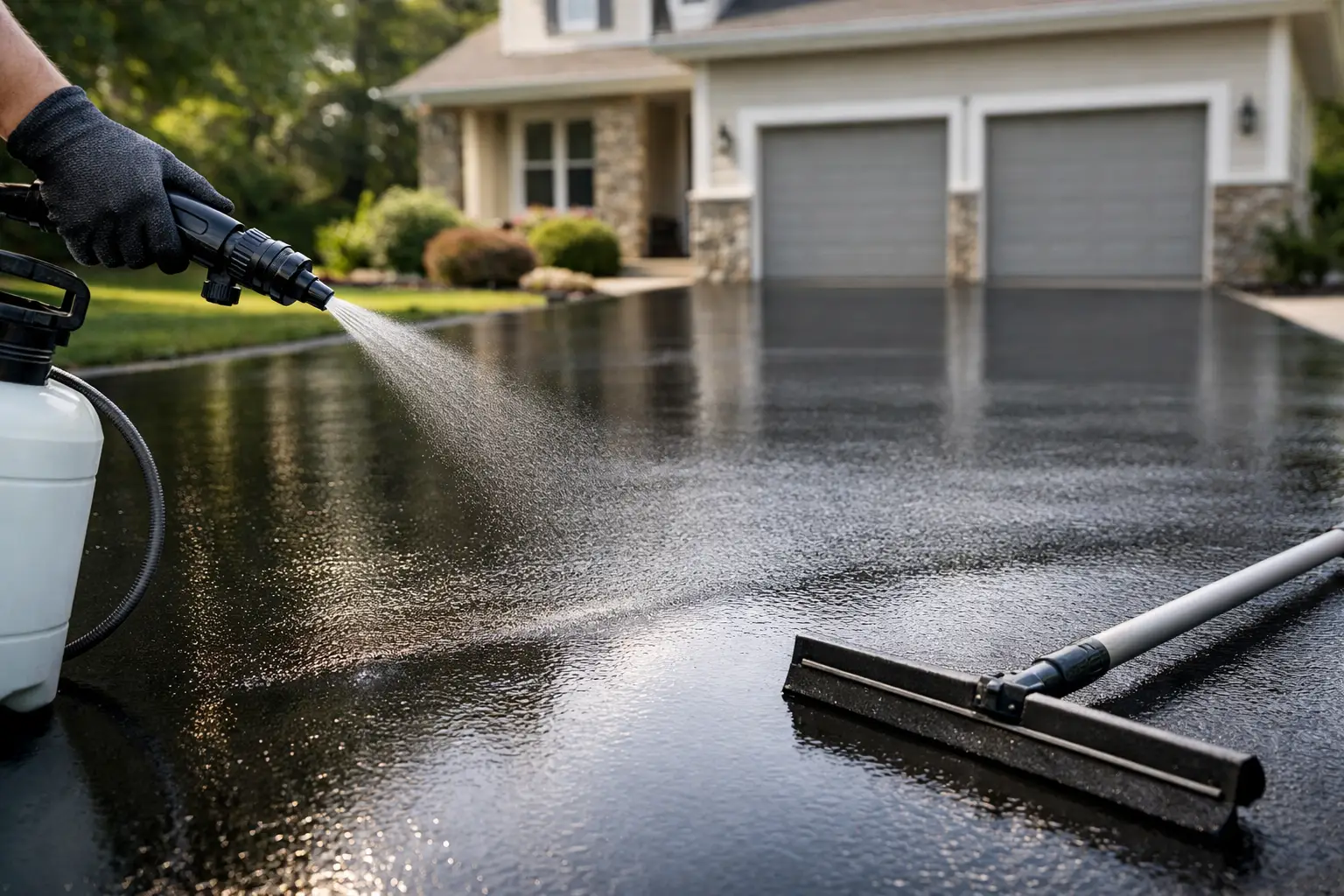
A freshly cleaned driveway can make a home, shopfront or managed property look completely different. But cleaning alone does not stop water, tyre marks, oil, mould and airborne grime from working their way back into porous surfaces. The right driveway sealers add a protective barrier that helps the surface stay cleaner, look better and stand up to everyday use for longer.
For properties across South East Queensland, sealing is often most valuable after professional cleaning has removed built-up contamination. Brisbane storms, humidity, shade and regular vehicle traffic can all take a toll on concrete and paving. The key is choosing a suitable sealer for the material and preparing the surface properly before anything is applied.
What driveway sealers actually do
Driveway sealers are protective coatings or penetrating treatments applied to cleaned, dry concrete, pavers or exposed aggregate. Depending on the product and surface, they can reduce moisture absorption, make stains easier to remove, limit surface dusting and enhance the finished appearance.
A sealer is not a magic shield. Oil spills should still be dealt with promptly, and a sealed driveway will still collect dirt over time. What it does provide is a practical layer of protection that slows down how quickly contaminants soak in. This can make routine cleaning easier and help preserve the appearance of the surface between professional services.
For property managers and commercial operators, that benefit extends beyond appearance. A well-maintained entry, car park bay or access area gives tenants, visitors and customers confidence that the site is being cared for. For homeowners, it can lift kerb appeal and support presentation before selling or leasing.
Not every driveway needs the same sealer
The best choice depends on the driveway material, its existing condition, how much traffic it receives and the result you want. Applying the wrong product can leave a patchy finish, create unwanted slipperiness or trap moisture where it should be able to escape.
Concrete driveways
Plain concrete is porous, especially as it ages. Penetrating sealers are often a good option where the priority is water resistance and stain reduction without noticeably changing the colour or sheen. They absorb into the slab rather than forming a heavy film across the top.
Film-forming products can provide a darker or glossier look, but they need careful selection and application. Too much product, poor drying conditions or uneven coverage can lead to streaks, peeling or a finish that looks inconsistent in direct sun. This is why testing and surface assessment matter, particularly on older concrete.
Exposed aggregate
Exposed aggregate driveways have decorative stone at the surface, along with fine gaps that hold dirt, algae and moisture. A suitable sealer can deepen the natural colour and make the area easier to maintain, but the coating should not hide the texture that gives the surface its character and grip.
Preparation is especially important here. Any dirt left between stones, old flaky coating or residue from cleaning can affect the final result. The driveway needs to be thoroughly cleaned, rinsed and given enough time to dry before sealing begins.
Pavers
Pavers need a different approach because movement and joint sand are part of the system. The right paver sealer can help resist staining and improve the finished colour, while some products also assist with stabilising jointing sand. However, cracked pavers, sinking sections and failing joints should be repaired first.
Pavers can also develop white mineral deposits known as efflorescence. Sealing over active efflorescence can lock in a cloudy appearance, so this issue needs to be treated before the sealer is applied. A professional inspection helps identify whether the surface is ready or needs further restoration work.
Cleaning and preparation decide the result
Most sealing problems start before the first coat goes on. If mould, algae, tyre residue, old sealer, oil or detergent remains on the driveway, the new product may not bond evenly. The result can be dull spots, trapped marks or early coating failure.
A proper process starts with matching the cleaning method to the surface. Pressure cleaning can remove deeply embedded grime from durable concrete and paving, while chemical treatment may be needed for organic growth or stubborn staining. Pressure must be controlled carefully around joints, edges and older surfaces to avoid unnecessary damage.
After cleaning, the driveway needs to be fully rinsed and allowed to dry. This is not a step to rush after a wet week or during humid weather. Moisture beneath some sealers can cause whitening, bubbling or poor adhesion. The required drying time varies according to the product, surface porosity and weather conditions.
Before sealing, it is also worth checking for practical issues that a coating will not fix. These include oil leaks from vehicles, poor drainage, surface cracking, spalling concrete and low areas where water pools. Addressing the cause protects the investment in cleaning and sealing.
Choosing a finish that suits the property
The final look should suit the surface and how the area is used. Natural-look penetrating sealers are popular when homeowners want protection without changing the driveway’s colour. They are often a sensible choice for plain concrete and areas where preserving a low-sheen finish matters.
Enhancing sealers can bring out the colour of pavers or exposed aggregate, creating a darker wet-look appearance. This can give older hard surfaces a more refreshed look, but it is best chosen with care. A strong gloss may suit some decorative areas, while a subtle finish can look more natural at the front of a home or across a large commercial space.
Slip resistance should always be considered. A driveway may be walked on in the rain, used near a pool area or crossed by staff and visitors. Some decorative coatings can become slippery if the product, finish or application method is unsuitable. The safest approach is to discuss how the area is used before selecting the sealer.
When sealing is worth it
Sealing is usually a strong maintenance choice when a driveway has been professionally restored and is structurally sound. It is particularly useful for surfaces exposed to frequent rain, tree debris, shaded conditions, vehicle traffic or occasional oil drips.
It may be less suitable when a driveway is nearing replacement, has widespread surface failure or has moisture problems coming up from beneath the slab. In those cases, sealing can improve presentation temporarily but will not solve the underlying issue. Honest advice should focus on the condition of the surface, not simply applying a product for the sake of it.
For strata properties, schools and commercial sites, sealing can be planned as part of a broader exterior maintenance schedule. Keeping paths, parking areas and entrances clean and protected can reduce the need for intensive restoration later, while helping the property maintain a professional appearance year-round.
How to maintain a sealed driveway
A sealed driveway still benefits from regular care. Sweep away leaves and soil before they break down into stains, and hose off light dirt as needed. Treat fuel, oil and food spills quickly rather than giving them time to sit in the surface.
Avoid using harsh acids or unsuitable degreasers without checking whether they are compatible with the sealer. Aggressive chemicals can dull or damage some finishes. If mould and algae begin returning in shaded areas, professional cleaning can remove the growth safely without taking unnecessary risks with the coating.
The lifespan of driveway sealers varies. Sun exposure, vehicle use, drainage, cleaning methods and the type of product all play a part. Rather than relying on a fixed timeline, watch for signs such as water soaking in quickly, fading colour, harder-to-remove stains or a finish that has become uneven. These are useful indicators that the driveway may be ready for maintenance.
A driveway is one of the first surfaces people see and one of the hardest-working areas around any property. Clean it thoroughly, choose protection that suits the material, and give it the ongoing care it needs. That practical approach keeps the surface safer, sharper and easier to manage long after the initial clean.


