

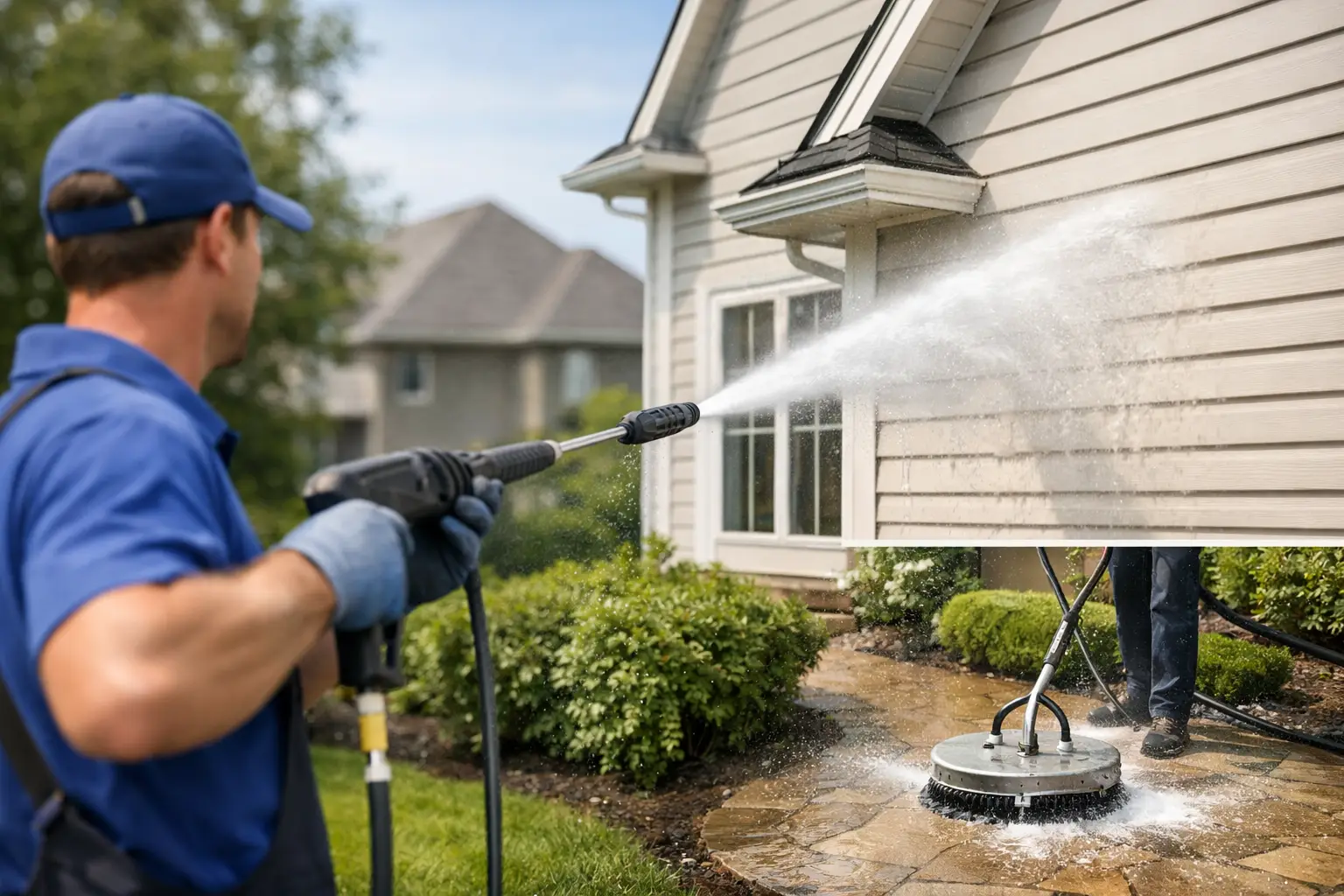
A house can look tired long before it is actually worn out. In Southeast Queensland, mould, algae, dust and traffic grime build up quickly, and choosing the best house washing methods makes a real difference to how your home presents and how well its exterior holds up over time. The right approach does more than improve street appeal. It helps protect paintwork, reduce surface staining and prevent premature deterioration.
The catch is that not every exterior surface should be cleaned the same way. High pressure might shift stubborn grime on one area, but it can damage another. A method that works well on concrete can be a poor choice for painted weatherboards, older render or delicate trims. That is why the best results usually come from matching the cleaning method to the surface, not forcing one approach across the whole property.
What are the best house washing methods?
For most homes, soft washing is the safest and most effective option for the main exterior walls. It uses low pressure combined with purpose-made cleaning solutions to treat mould, algae, mildew and grime at the source. Instead of relying on force alone, it breaks down organic growth and lifts contamination without stripping paint or forcing water into places it should not go.
Pressure cleaning still has a place, but usually on harder surfaces such as driveways, paths, retaining walls and some masonry areas. When used correctly, it is excellent for removing built-up dirt and surface staining. When used incorrectly, it can leave etching, cause flaking paint, damage mortar joints and shorten the life of finishes.
Manual cleaning also has a role in certain situations. Some fragile surfaces, architectural details and spot-treated areas respond better to hand washing, brushing or a very controlled rinse. It is slower, but sometimes it is the right call if preserving the surface matters more than speed.
Why soft washing is often the preferred method
Soft washing has become the go-to method for many residential properties because it balances cleaning power with surface care. On painted exteriors, cladding, render, weatherboards, eaves, gutters and trims, low-pressure application is generally a much safer option than blasting away at stains with high pressure.
The biggest advantage is that soft washing targets the cause of the problem, not just the visible mess. If black mould or green algae is growing on a wall, a pressure-only clean may remove what you can see while leaving spores behind. That often means the growth comes back sooner. A proper soft wash treatment deals with the organic contamination more thoroughly, so results tend to last longer.
It is also better suited to homes with older paintwork or surfaces that have already seen a few Queensland summers. Strong pressure can find every weak point fast. Loose edges lift, thin paint strips back and water can be driven behind fittings or into cracks. Soft washing reduces that risk while still delivering a clear before-and-after improvement.
Where pressure cleaning works best
Pressure cleaning is still one of the best house washing methods when it is used in the right areas. Brick boundary walls, exposed aggregate, driveways, concrete paths and some hardscape surfaces respond well to properly controlled pressure cleaning. These areas often collect oil marks, tyre residue, dirt runoff and ingrained grime that need more mechanical force.
For house exteriors, the key word is control. Pressure level, nozzle choice, spray angle and distance from the surface all matter. A trained operator can adjust the setup to clean efficiently without causing unnecessary wear. Someone using a domestic machine at full force can do a surprising amount of damage in a short amount of time.
There is also a difference between surface cleaning and restoration cleaning. A light maintenance wash may only need a gentle approach, while a heavily stained wall or neglected brick section might need a more targeted treatment. The method depends on the material, its condition and what is actually causing the staining.
The best method depends on the surface
Painted weatherboards and cladding
These surfaces are usually best cleaned with a soft wash. Paint protection matters, especially if the home is older or due for sale, lease renewal or routine maintenance. Low pressure helps remove grime without roughing up the finish or opening up vulnerable joints.
Render and painted masonry
Render can hold onto mould and dirt, especially on shaded sides of the home. Soft washing is generally the safer option here too. High pressure can scar the coating, leave wand marks or push water into hairline cracks.
Brick and blockwork
Brick can often handle more pressure than painted surfaces, but that does not mean maximum pressure is the answer. Older mortar joints can weaken over time, and too much force can accelerate that wear. In many cases, a combination of treatment and controlled pressure gives the best result.
Eaves, fascia and gutters
These areas collect cobwebs, dirt and mildew and are usually better suited to soft washing or hand-detailing. They are visible from the street and can drag down the look of the whole property if left stained.
Driveways and paths near the house
These are usually pressure cleaned separately from the house wash itself. They need a tougher method, but they should still be handled with care to avoid surface damage, striping or uneven results.
Common mistakes with DIY house washing
The most common mistake is assuming more pressure means better cleaning. It often means faster damage. Homeowners hire or buy pressure washers thinking they will save time, but if the wrong settings are used on painted walls, timber trims, window seals or render, the repair bill can outweigh the initial saving.
Another issue is cleaning without treating. If mould and algae are left alive beneath the surface, staining can return quickly, particularly in humid areas. A house might look clean for a few weeks and then start showing regrowth again. That is frustrating if the goal was to freshen up the property before a sale inspection, tenancy turnover or family event.
Safety is another factor. Exterior cleaning usually involves ladders, wet surfaces, electrical fittings and chemical handling. For two-storey homes or larger commercial sites, that risk increases. Professional operators are not just bringing equipment. They are bringing a safer process and a method suited to the building.
How often should a house be washed?
There is no perfect one-size-fits-all schedule. For many homes in Southeast Queensland, an annual wash is a sensible maintenance cycle, especially where humidity, shade and vegetation encourage mould growth. Some properties can go longer if they are more exposed to sun and less affected by moisture. Others need attention sooner because of coastal air, tree cover, busy roads or drainage issues.
If you are managing a rental property, body corporate site, school or commercial premises, regular washing also supports presentation and reduces the chance of grime becoming a bigger restoration job later. Maintenance cleaning is almost always more cost-effective than waiting until surfaces are heavily stained.
How to choose the right provider
If you are comparing providers, ask how they decide between soft washing and pressure cleaning. That answer will tell you a lot. A good exterior cleaning team should talk about surface type, paint condition, organic growth, pressure control and suitable treatment options. If the plan sounds like the same machine and the same method for every job, that is a red flag.
It also helps to look for a company that handles more than just walls. Homes rarely get dirty in isolation. Driveways, pool surrounds, windows, paths and entry areas all affect presentation. A provider with broader exterior cleaning capability can often deliver a more complete result and a clearer maintenance plan.
At Boost Exterior Cleaning, that surface-by-surface approach is central to the job. The goal is not simply to make a property look cleaner for the day. It is to use the right pressure and treatment for each area so the result lasts and the surface is protected.
Best house washing methods for better long-term presentation
The best house washing methods are the ones that clean effectively without creating a new problem. For most homes, that means soft washing on delicate exterior surfaces and controlled pressure cleaning on harder areas where extra force is appropriate. It is not about choosing the strongest method. It is about choosing the right one.
A clean exterior changes how a property feels. It looks cared for, presents better to visitors, tenants and buyers, and gives the building materials a better chance of lasting as they should. If your walls are showing mould, grime or weather staining, the right wash can do more than tidy things up. It can put your property back on the front foot.


