

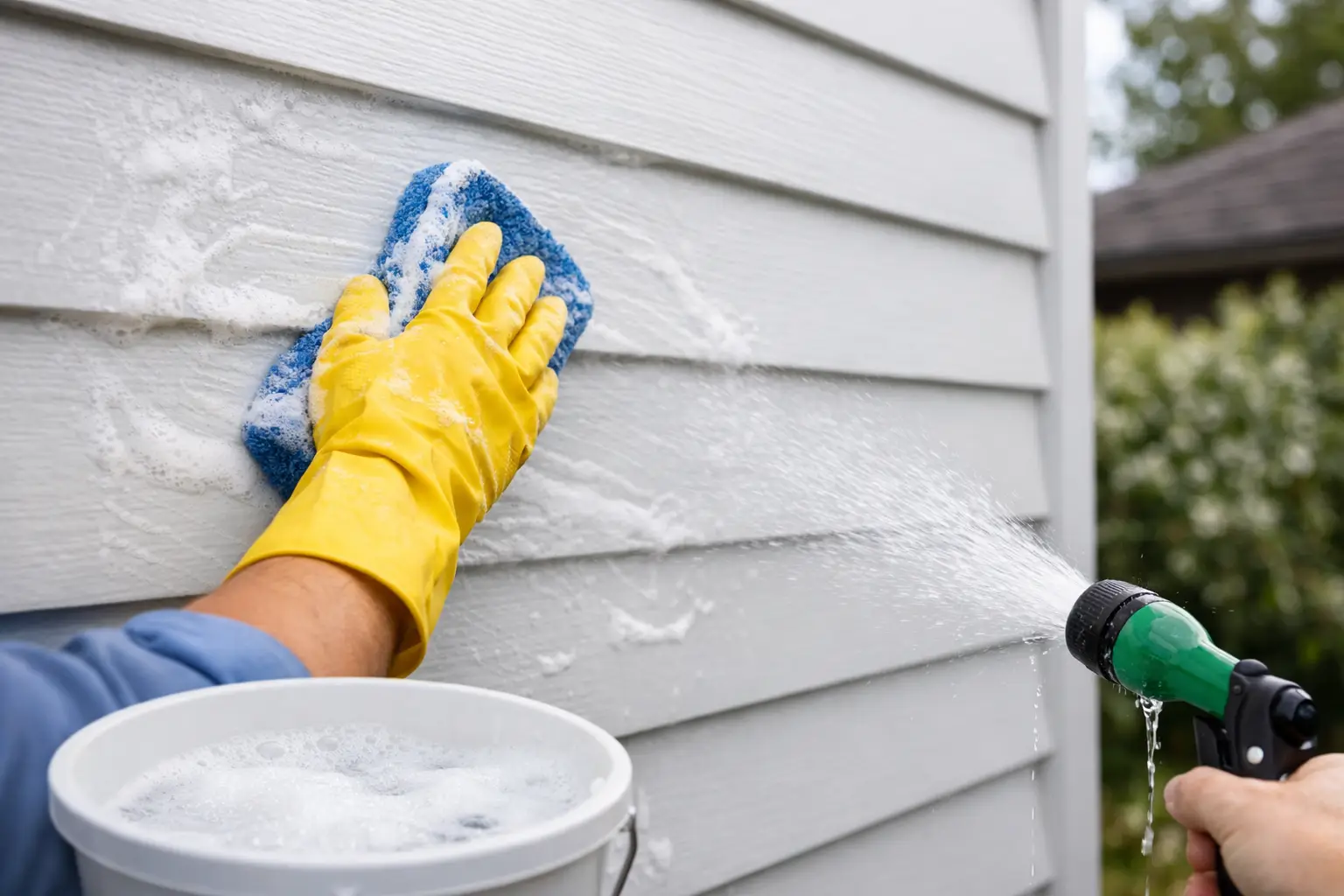
Painted weatherboards can look tired well before the paint has reached the end of its life. In Southeast Queensland, humid conditions, shade and wind-blown pollutants create the perfect surface for mould, algae and grime to settle into paintwork. This guide to cleaning painted weatherboards explains how to restore the outside of your home without stripping paint, forcing water behind boards or creating a bigger maintenance job.
The key is not more pressure. It is the right combination of surface-safe treatment, controlled water flow and proper rinsing. Done well, exterior cleaning lifts the dark staining that drags down kerb appeal while helping protect the coating underneath.
Why painted weatherboards need a gentler approach
Weatherboards are more vulnerable than they look. Their horizontal laps, joins and edges can catch moisture, dirt and cleaning runoff. A high-pressure jet aimed into these gaps may drive water behind the cladding, disturb loose paint and leave timber slower to dry.
Painted timber also changes with age. Fresh, well-maintained paint can usually handle a careful wash. Older paint may already be chalking, cracking or lifting, particularly on the western side of a home exposed to strong afternoon sun. Aggressive pressure cleaning can turn a simple house wash into an unexpected repainting project.
For most painted weatherboard homes, soft washing is the safer option. This method applies an appropriate cleaning solution at low pressure, gives it time to break down organic growth and surface grime, then rinses the area with a controlled flow of water. The cleaning treatment does the heavy lifting, rather than brute force from a pressure washer.
Check the paintwork before you clean
Walk around the property in daylight before bringing out any equipment. You are looking for more than dirt. Check for peeling paint, open joins, soft timber, exposed nail heads, damaged caulking and boards that are warped or loose. These issues will not be fixed by washing, and cleaning around them requires extra care.
Pay particular attention to shaded walls, under eaves, around downpipes and behind shrubs. Green algae often appears first in these areas, while black mould staining can build up where moisture stays on the surface after rain.
If paint comes away when you rub it lightly with a clean cloth, or if you can see significant flaking, arrange paint preparation or repairs before a full wash. A professional cleaner can still assess whether a very gentle treatment is suitable, but loose paint should not be blasted or scrubbed hard.
Homes built before the late 1970s also deserve extra caution, as older coatings may contain lead. Do not dry-scrape, sand or pressure clean deteriorating old paint without appropriate controls. Speak with a qualified professional if you are unsure of the coating history.
The right method for cleaning painted weatherboards
A safe wash starts with preparation. Move outdoor furniture, protect sensitive plants and close doors and windows. Cover or avoid electrical fittings where practical, and make sure pets and children are away from the work area until it has been fully rinsed and dried.
Use a purpose-made exterior cleaning treatment that is suitable for painted surfaces and organic staining. The correct dilution depends on the product, the level of growth and the condition of the paint. Always follow the manufacturer directions. Never mix cleaning chemicals together, particularly bleach-based products with acids or ammonia-based cleaners.
Apply the solution evenly from the lower boards upwards. Starting low helps prevent streaks running down a dry, dirty wall. Keep the surface wet enough for the treatment to work, but do not saturate gaps, vents or damaged areas. Most light-to-moderate staining needs a short dwell time before rinsing.
Rinse from the top down using low pressure and a broad fan pattern. Keep the nozzle a sensible distance from the wall and direct water down the face of the boards, not up under their laps. The aim is to carry contaminants away, not test the strength of the paint.
Stubborn spots may need a second gentle application rather than more pressure. This is especially true for black mould marks, lichen and built-up traffic film near busy roads. Patience is safer for painted timber than repeatedly attacking one patch with a narrow jet.
Avoid these common cleaning mistakes
The most common mistake is using a pressure cleaner set too high because the wall does not look instantly clean. Another is holding the nozzle too close, which can etch paint or raise timber fibres. Even a domestic machine can cause damage when used at close range.
Avoid abrasive brushes and harsh scouring pads. They can dull the paint finish and leave uneven patches that are obvious once the wall dries. A soft brush may be useful for isolated cobwebs or stubborn residue, but it should be used lightly after testing a discreet area.
Do not wash in full, hot sun if the cleaning product dries rapidly on the wall. Early morning, later afternoon or an overcast day gives better working conditions. Windy days are also less than ideal, as treatment can drift onto windows, gardens and neighbouring property.
Protect gardens, windows and surrounding surfaces
Cleaning solution and dirty runoff do not belong in garden beds, ponds or stormwater drains. Before washing, thoroughly wet nearby plants so leaves are less likely to absorb residue. Rinse them again once the work is complete. Delicate plants, edible gardens and fish ponds may need additional protection or a different cleaning plan.
Windows, painted trim, screens and timber decks should be treated as connected surfaces, not afterthoughts. Rinse glass promptly to prevent drying marks, and make sure runoff does not sit on deck boards or pool surrounds. If the home has solar panels, outdoor power points or older window seals, work around them with extra care.
For multi-storey homes, steep blocks or walls close to gardens, professional equipment and experience make a real difference. The challenge is not simply reaching the surface. It is applying treatment consistently and rinsing thoroughly without overspray, ladder risks or water intrusion.
How often should weatherboards be cleaned?
Most homes benefit from an exterior wash every 12 to 18 months. However, frequency depends on the property. A home surrounded by established trees, close to the coast, beside a main road or on a shaded block may need cleaning more often. Open, sunny homes with good airflow often stay cleaner for longer.
Regular cleaning makes each visit easier and helps you spot paint or timber issues early. Waiting until walls are heavily blackened can allow organic growth to hold moisture against the coating, creating more staining and increasing the chance of paint breakdown.
Between professional cleans, keep vegetation trimmed back from walls, clear gutters and check that downpipes are not overflowing onto cladding. These small maintenance jobs reduce shade and moisture, which are the main drivers of recurring mould and algae.
When to call a professional
A DIY wash can suit a small, single-storey area with sound paint and light grime. It becomes less suitable when staining is widespread, paint is delicate, access is difficult or you are not confident selecting and handling cleaning treatments. The cost of getting it wrong can be a damaged paint finish, water behind boards or an avoidable repaint.
Professional soft washing is designed for exactly this situation. An experienced operator assesses the paint condition, identifies the type of staining and adjusts the treatment and pressure for the surface. This is particularly valuable for Queenslander homes, older timber houses and properties being prepared for sale, lease or inspection.
Boost Exterior Cleaning provides surface-safe house washing for homeowners and property managers who want a visible result without unnecessary risk to painted finishes. A proper clean can brighten the whole property, from the front elevation to the shaded side walls that are easy to overlook.
Clean weatherboards should look refreshed, not scoured. Treat the paintwork with care now, and you will preserve its protection, improve street presentation and give yourself more time before the next repaint is due.


