

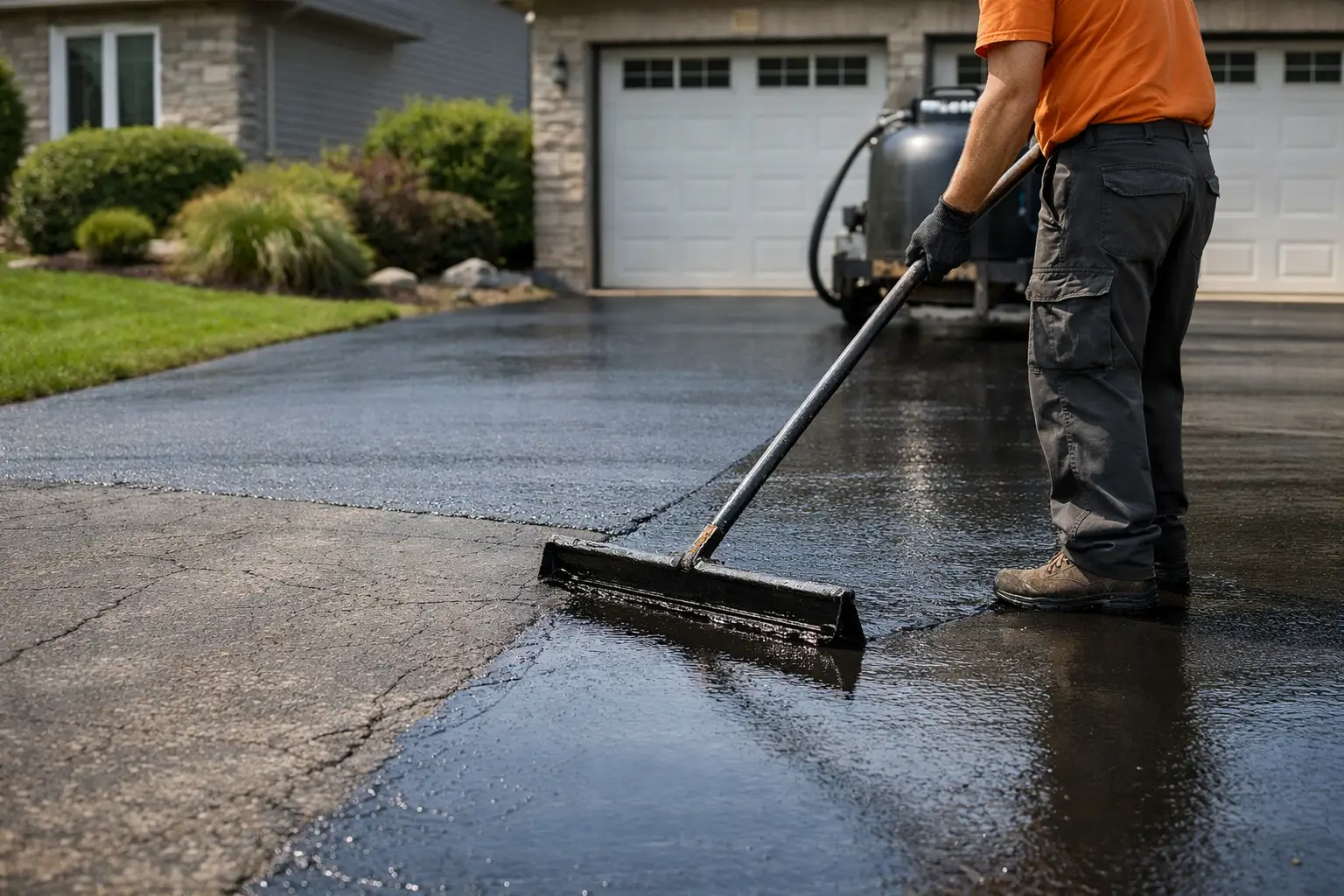
A driveway can make the whole front of a property look sharp or tired in one glance. You can pressure clean years of grime off the surface, but if the concrete or pavers are left exposed, stains, weathering and organic growth can come back faster than most owners expect. That is why so many people ask, is driveway sealing worth it?
The short answer is yes, in many cases it is. But not every driveway needs sealing, and not every sealer delivers the same result. The value comes down to the surface type, the condition of the driveway, the amount of traffic it gets, and whether you want basic protection, a visual lift, or both.
Is driveway sealing worth it for every property?
Not automatically. Sealing is most worthwhile when a driveway is exposed to regular sun, rain, vehicle traffic, leaf staining, oil drips or algae growth. Across Southeast Queensland, that combination is common. Heat, storms, moisture and organic debris can wear down outdoor surfaces quickly, especially if the driveway sits under trees or in a damp shaded area.
For homeowners, sealing often makes sense because the driveway is one of the largest visible surfaces on the property. For property managers and commercial sites, it can also help present a cleaner, better-maintained entrance while reducing the rate of surface deterioration.
Where sealing is less valuable is on a driveway that is already badly damaged, structurally cracked, or nearing replacement. Sealer is not a fix for failing concrete or sinking pavers. It is a protective treatment, not a substitute for repairs.
What driveway sealing actually does
A quality sealer creates a protective barrier on or within the surface, depending on the product used. That barrier helps reduce water penetration, staining and the buildup of grime. It can also make routine cleaning easier because contaminants are less likely to soak deep into porous material.
On concrete, sealing can slow down weathering and help preserve the surface after professional cleaning. On pavers, it can help stabilise jointing sand, reduce weed growth between joints and enhance the overall finish. Some sealers leave a natural look, while others deepen the colour or add a wet-look finish.
That visual improvement is not just cosmetic. A brighter, cleaner, sealed driveway can lift the presentation of the entire property. If you are preparing for sale, lease turnover or simply want the place to look cared for year-round, that matters.
The real benefits of sealing a driveway
The biggest benefit is protection. Driveways take constant punishment from tyres, foot traffic, UV exposure, rain and spills. Once the surface becomes more porous, it holds onto moisture and stains more easily. That is when mould, algae and dark patches start to become harder to remove.
Sealing helps by reducing how much gets absorbed. Oil marks, rust stains, leaf tannins and general grime are still possible, but they are usually easier to clean off a sealed surface than an unsealed one. That can save time, reduce the need for aggressive cleaning, and help the driveway keep a fresher appearance between maintenance visits.
There is also a longevity benefit. Sealing can help extend the usable life and appearance of concrete, pavers and some decorative surfaces when it is applied correctly and maintained at the right intervals. It is not a once-and-done solution, but it is a sensible part of an ongoing maintenance plan.
When driveway sealing may not be worth it
If the driveway has major cracking, surface flaking, drainage problems or movement in the base, sealing is unlikely to give you good value. The same applies if the surface has not been cleaned and prepared properly. Sealing over dirt, algae, old residue or trapped moisture can lock in problems instead of solving them.
It may also be unnecessary if the surface is very new and the manufacturer or installer recommends waiting before treatment. Some materials need time to cure fully. Applying the wrong product too early can cause patchiness or poor adhesion.
Then there is the question of expectations. If someone wants sealing purely to hide long-standing damage or reverse heavy wear, they may be disappointed. Sealer improves and protects. It does not rebuild the surface.
Is driveway sealing worth it after pressure cleaning?
In many cases, this is when sealing makes the most sense. Pressure cleaning removes built-up grime, mould, algae and stains from the surface. Once the driveway is properly cleaned and dried, sealing helps preserve that result.
Without sealing, a freshly cleaned driveway can start absorbing dirt and moisture again straight away. On porous concrete and pavers, that means the clean look may not last as long as it could. Sealing acts like the next step in the process, helping protect the effort and cost already invested in the clean.
This is one reason professionally cleaned driveways often look better for longer than DIY jobs alone. The cleaning method matters, but the protection afterwards matters too.
Surface type matters more than most people realise
Concrete, exposed aggregate, pavers and natural stone all respond differently to cleaning and sealing. What works well on one surface may be a poor choice on another.
Plain concrete often benefits from sealing because it is porous and prone to staining. Exposed aggregate can also benefit, especially if you want to enrich the appearance and protect the binder from weather exposure. Pavers are a common candidate for sealing because they can fade, shift in appearance, and collect weeds and grime in the joints. Natural stone needs more care again, as the wrong product can affect the finish or breathability of the material.
This is where a proper assessment matters. The right pressure, the right cleaning treatment and the right sealer all need to match the surface. A one-size-fits-all approach can do more harm than good.
Cost versus value
Sealing is an added cost, so it is fair to ask whether the return stacks up. For most property owners, the value is not about immediate dollars back in the bank. It comes from preserving appearance, reducing maintenance headaches and helping avoid premature surface wear.
If a driveway is a prominent part of the property, the visual return can be significant. Street appeal matters for homes, unit complexes, schools and commercial sites alike. A clean, sealed driveway suggests the property is cared for. That can support presentation during inspections, leasing, open homes or everyday operation.
If you only look at the upfront price, sealing can seem optional. If you compare it to the cost of repeated heavy cleaning, stain removal, surface deterioration or early replacement, it often looks far more worthwhile.
The risks of a poor sealing job
Not all sealing work is equal. Problems usually come from poor preparation, using the wrong product, or applying sealer under the wrong weather conditions. That can lead to whitening, peeling, uneven gloss, slippery finishes or short product life.
A good result starts well before the sealer goes down. The surface needs to be thoroughly cleaned, free of contamination, dry enough for application, and assessed for existing damage. Product choice also matters. Some owners want a natural low-sheen finish, while others prefer stronger colour enhancement. The best option depends on the surface and the outcome you want.
That is why professional advice is worth it, especially on larger or more visible driveways. A rushed job may look fine on day one and disappointing six months later.
So, is driveway sealing worth it?
If your driveway is in sound condition, exposed to the elements, and important to the overall presentation of the property, yes – driveway sealing is usually worth it. It helps protect against staining, moisture and weathering, and it keeps cleaned surfaces looking better for longer.
If the surface is damaged, poorly prepared or close to replacement, the answer changes. In that case, repairs or restoration may need to come first. The goal is not to seal everything by default. It is to apply the right treatment at the right time for the right surface.
For many homes and commercial properties, sealing is not just about appearance. It is a practical way to protect an asset that gets used every day. And when it is paired with professional cleaning and the correct surface-safe method, the result is easier to maintain and far more durable. That is the kind of maintenance that pays off quietly over time, which is often the best kind.


