

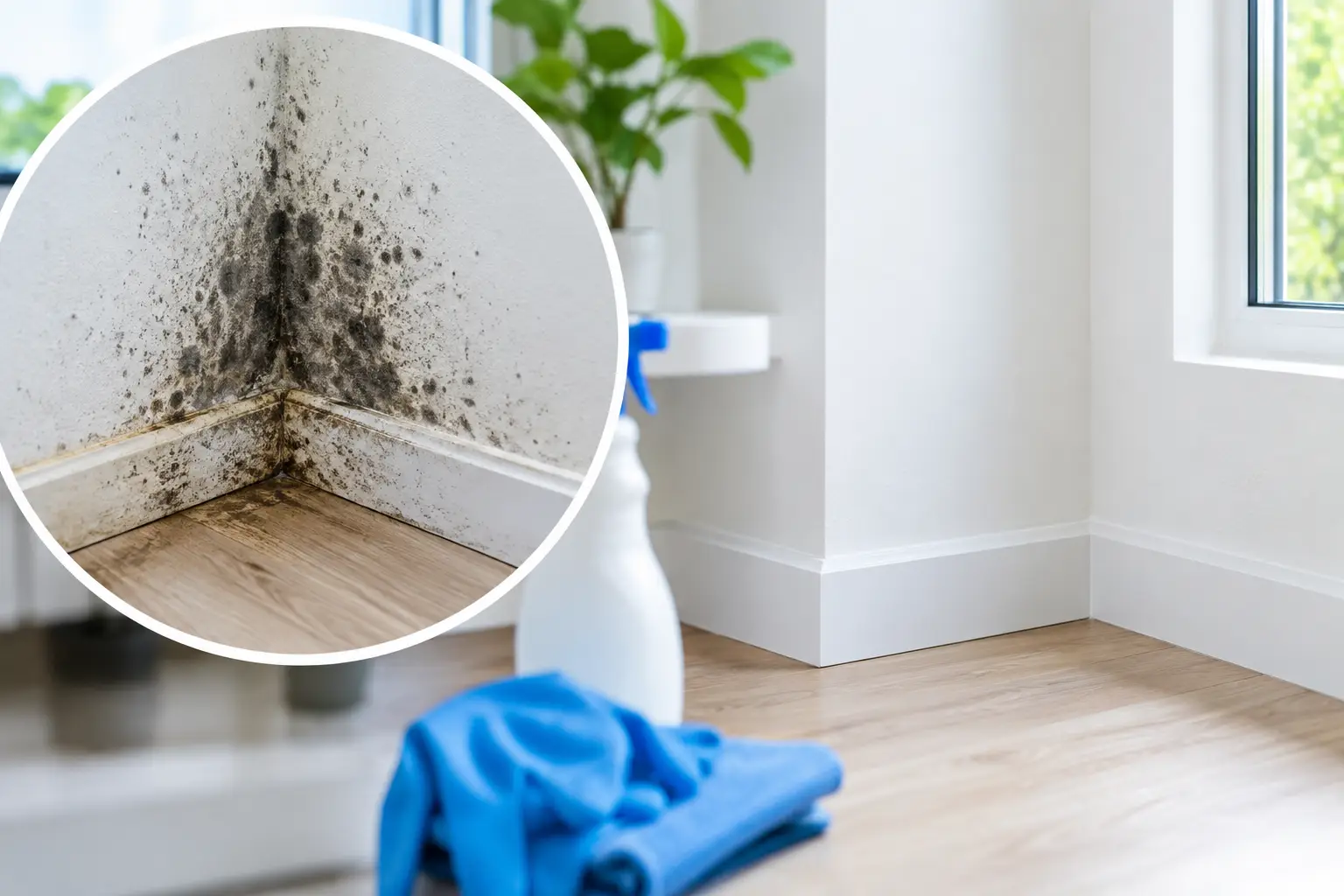
A blackened driveway, green-streaked walls or slippery pool surrounds can make an otherwise well-kept property look neglected fast. The right mould removal project results do more than brighten the surface. They remove organic growth at its source, improve day-to-day safety and help protect the finishes you have paid to maintain.
Across Brisbane, Logan, the Gold Coast and the Sunshine Coast, warm temperatures, humidity and regular rain create ideal conditions for mould, algae and lichen. These growths settle into porous concrete, painted surfaces, tiles, timber and natural stone. A quick blast with a high-pressure cleaner may make an area look better for a short time, but it can also damage delicate finishes or leave the underlying growth ready to return.
A professional approach matches the treatment and pressure to the surface. That is where the visible transformation and longer-lasting outcome come from.
What strong mould removal project results look like
The most obvious result is a cleaner, more even-looking exterior. Driveways regain their original colour, rendered walls look fresher, paths become easier to walk on and outdoor entertaining areas feel ready to use again. On commercial sites, clean entries, car parks and walkways improve presentation for customers, tenants, visitors and staff.
But appearance is only part of the job. Effective cleaning treats mould and algae rather than simply pushing surface dirt around. A suitable cleaning solution breaks down the organic contamination, while controlled washing removes the residue without unnecessarily stripping paint, dislodging mortar or roughening the surface.
For homeowners, that can mean better kerb appeal before a sale or a more enjoyable outdoor area. For property managers and facilities teams, it can mean fewer complaints about unsightly common areas and a more manageable maintenance schedule.
Why the method affects the final result
Not every surface should be cleaned the same way. This is especially true on older homes, painted cladding, render, roof-adjacent walls, timber and delicate exterior finishes. High pressure has its place on durable concrete and some hard surfaces, but used incorrectly it can scar the surface, force water into gaps, remove coatings and create a rougher texture where grime can settle again.
Soft washing is often the better choice for exterior walls and painted finishes. It combines a purpose-selected treatment with low-pressure rinsing to remove mould, algae and grime more safely. The aim is not maximum force. It is the cleanest practical finish with the least risk to the material underneath.
On a heavily contaminated concrete driveway, the process may include pre-treatment, controlled pressure cleaning and attention to edges, joints and shaded sections where growth is thickest. On natural stone or tiled pool surrounds, the treatment needs greater care. The wrong chemical or pressure setting can affect sealers, grout, surface texture or colour.
That is why good mould removal project results depend on an inspection first. Surface type, age, condition, drainage, shade and nearby gardens all influence the right approach.
Results vary by surface condition
Professional cleaning can produce a dramatic before-and-after change, but honest expectations matter. Some dark marks are active mould or algae and lift well with treatment. Others are permanent staining, weathering, rust marks, tannin marks or damage left after years of neglect. Cleaning removes contamination, but it cannot always reverse etching, failed paint or deeply embedded discolouration.
A driveway that has never been cleaned may look several shades lighter once mould and built-up grime are removed. However, old oil staining may need separate treatment and may not disappear completely. A painted wall can look renewed after soft washing, but peeling paint or oxidisation will still require painting or restoration work.
This does not make the cleaning less worthwhile. Removing mould, grime and slippery growth reveals the true condition of the surface, making it easier to plan any repairs, sealing or repainting that may be needed.
The difference between cleaning and restoration
Cleaning removes organic growth, dirt and surface pollutants. Restoration may involve repairs, repainting, regrouting, resealing or replacing damaged materials. In many cases, professional exterior cleaning is the sensible first step because it gives you a clear view of what the property actually needs.
For example, a faded-looking paved area may only be covered in grime and mould. Once cleaned, it may look excellent and benefit from sealing. Alternatively, cleaning may reveal cracked tiles or failing grout that needs attention. Either way, you are making decisions based on the real condition of the surface rather than what is hidden beneath the build-up.
Safety is one of the most valuable outcomes
Mould and algae are not just cosmetic issues. On paths, steps, driveways, pool surrounds and commercial walkways, they can become slippery when wet. This is a concern at family homes, schools, retail sites and strata properties where people move through outdoor areas every day.
A thorough clean improves traction by removing the slimy organic layer that develops in shade and damp zones. Areas around taps, air-conditioning outlets, downpipes, garden beds and pools often need particular attention because moisture regularly feeds new growth.
For commercial and institutional properties, cleaning can also support a more professional standard of care. A clean entrance and safe-looking walkway create a better first impression, while scheduled maintenance helps prevent the gradual build-up that turns a straightforward clean into a larger project.
How long will the results last?
It depends on the property. A sunny, well-drained driveway may stay clean far longer than a shaded path beneath dense trees. Exterior walls exposed to constant moisture, coastal air, heavy rain or poor drainage can develop mould again sooner. Nearby vegetation, irrigation overspray and blocked gutters can also speed up regrowth.
As a general rule, regular professional cleaning is easier and more cost-effective than waiting until growth becomes heavy. Many homes benefit from annual exterior washing, while high-traffic commercial sites or heavily shaded properties may need more frequent attention.
A few practical changes can help extend the clean:
- Trim vegetation back from walls, paths and fences to improve airflow and reduce shade.
- Keep gutters, downpipes and drainage points clear so water does not repeatedly run over exterior surfaces.
- Avoid regular sprinkler overspray onto walls, driveways and pool surrounds.
- Consider sealing suitable concrete, pavers, tiles or natural stone after cleaning to reduce water absorption and make routine maintenance easier.
Sealing is not right for every surface, and it should only be applied to a properly cleaned, dry surface. When it is suitable, it can add another layer of protection against staining and moisture penetration.
What a professional project should include
A reliable exterior cleaning provider starts by assessing the area rather than applying one standard process to every job. They should identify the surface material, the likely cause of staining and any concerns such as loose paint, damaged grout, fragile stone, drainage issues or nearby plants.
Preparation matters. Furniture, outdoor items and sensitive surrounding areas may need to be moved, covered or protected. The cleaning treatment should then be applied at the correct strength, given time to work and rinsed with an appropriate pressure setting. Particular care is needed around windows, door seals, electrical fixtures, garden beds and pool areas.
At Boost Exterior Cleaning, the focus is on selecting the right combination of soft washing, pressure cleaning and surface-safe treatment for the job. This approach helps deliver visible results without treating every exterior like it is the same material.
When mould keeps returning
If mould returns quickly after cleaning, the issue is often environmental rather than a failure of the clean. Persistent shade, poor drainage, leaking gutters, water runoff or dense vegetation can keep a surface damp enough for regrowth. In these cases, cleaning is still worthwhile, but resolving the moisture source will improve the long-term result.
For property managers, quick regrowth in one location can be useful information. It points to an area that may need better drainage, gutter repairs or a change to landscaping maintenance. For homeowners, it can prevent repeated cleaning costs and protect exterior finishes from ongoing damp exposure.
A clean exterior gives you more than a good before-and-after photo. It makes the property safer, presents it properly and helps you spot maintenance issues before they become expensive repairs. If mould, algae or grime is taking over your exterior surfaces, arranging the right treatment now is a practical way to keep your property looking cared for through every season.


