

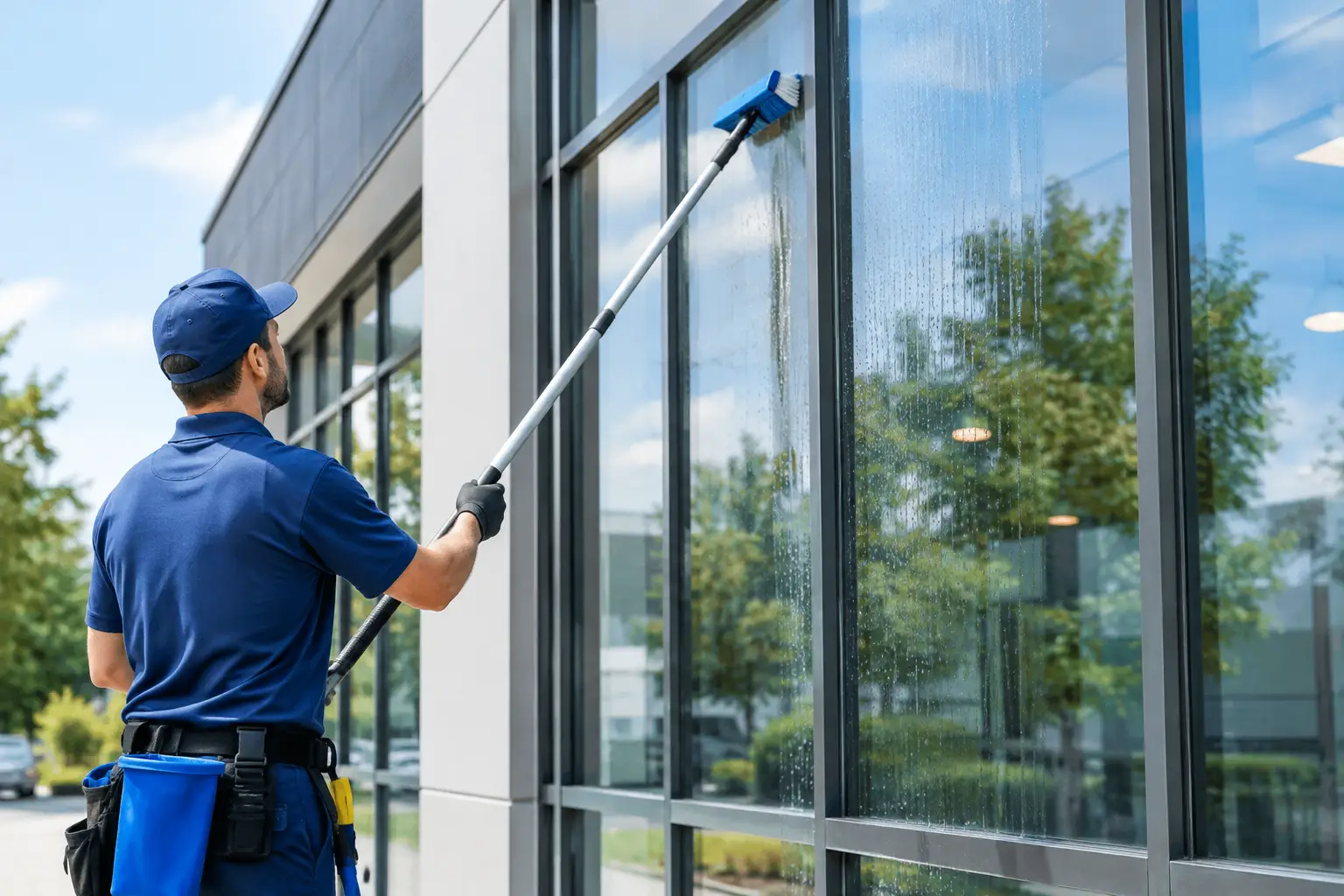
A stained entry wall can change a visitor’s first impression before they reach reception. The most common signs commercial facades need cleaning are not always dramatic at first, but grime, mould and pollution build quickly in Southeast Queensland’s humidity, rain and coastal conditions. Acting early helps your site stay presentable while reducing the chance of staining and biological growth becoming harder to remove.
For property managers, body corporate representatives and facility operators, facade cleaning is more than a cosmetic job. A clean exterior supports tenant confidence, gives customers a better arrival experience and helps protect painted surfaces, render, cladding, brick and natural stone from avoidable deterioration.
Why a dirty facade becomes a maintenance issue
Commercial exteriors collect airborne dust, vehicle emissions, pollen, salt, bird droppings and organic matter every day. Rain can wash this material into streaks and low points, while shaded areas stay damp long enough for mould, algae and lichen to establish.
Left alone, this build-up can make a building look neglected even when the interior is well managed. It can also hold moisture against some finishes, discolour paintwork and leave stains that require more intensive treatment later. The right response depends on the surface and the cause of the staining. High pressure is not the answer for every facade.
7 signs commercial facades need cleaning
1. The building looks dull from the street
A general grey, brown or dusty appearance is often the first warning sign. It may be most noticeable on light-coloured render, painted panels, signage surrounds and columns near busy roads or car parks. Because the change happens gradually, it is easy to miss until the building is compared with cleaner areas under awnings or around recent repairs.
If the facade no longer reflects the standard of your business, retail centre or school, schedule a clean before the issue becomes the new normal. A professional wash can restore contrast and colour without putting delicate painted finishes at risk.
2. Green, black or red growth is appearing
Green algae, black mould and red or orange biological staining thrive where moisture lingers. Check southern-facing walls, shaded entryways, behind landscaping, beneath air-conditioning outlets and areas close to downpipes. These marks are especially common on rendered walls, brickwork, concrete and painted surfaces.
Biological growth should be treated rather than simply blasted away. A suitable cleaning solution helps kill the growth at its source, while a controlled soft wash removes the residue. This approach generally provides a cleaner, longer-lasting result than water pressure alone on sensitive finishes.
3. Rain streaks are visible below ledges and windows
Dark vertical streaks below window sills, parapets, air-conditioning units and roof edges show that water is carrying dirt across the facade. The cleaning need may be obvious, but the streaking can also point to a drainage issue, overflowing gutter or leaking fitting that should be checked.
Cleaning the wall without addressing the water source can mean the staining returns quickly. Where practical, organise minor maintenance alongside facade washing so the exterior stays cleaner for longer.
4. Your entrance no longer looks welcoming
The entry is where customers, tenants, parents and visitors make their quickest judgement. Finger marks around doors, cobwebs, grime on columns, stains beside bins and dirty signage can make an otherwise well-run property feel tired.
Entrance cleaning does not always require a full-building service. In some cases, a targeted clean of the entry, awnings, pathways, windows and surrounding walls is the most cost-effective way to lift presentation before an inspection, event, tenancy handover or busy trading period.
5. Paintwork or cladding has uneven patches
Uneven colour is not always a paint failure. Surface contamination can create blotchy patches that resemble fading, particularly on pale paintwork and composite cladding. Before committing to repainting, have the facade assessed and cleaned professionally. Removing dirt and organic residue may restore a more even appearance and clarify whether repainting is actually needed.
That said, cleaning cannot repair failed coatings, oxidised metal or damaged cladding. A reputable contractor should identify when a stain is likely to lift and when the surface needs repair, recoating or specialist restoration instead.
6. Paths and lower walls are becoming slippery or stained
When algae and mould are visible at the base of a facade, they are often present on adjacent paths, ramps, stairs and loading areas too. This is a presentation issue, but it can also create a slip risk for staff and visitors, especially after rain.
Treat the building wall and surrounding hard surfaces as one maintenance zone. Cleaning both at the same time produces a more consistent result and prevents a freshly washed facade from being framed by dirty concrete, kerbs or entry paths.
7. Tenants, staff or customers are starting to comment
Comments about a grimy exterior, mould near entrances or dirty windows are useful early warnings. By the time people raise the issue, the build-up is usually noticeable enough to affect their experience of the site.
For retail properties, professional presentation can influence how long customers stay and how they perceive the businesses inside. For schools and offices, it communicates care for the environment people use every day. Responding before complaints become routine is good property management.
The cleaning method matters as much as the clean
Commercial facades are made from different materials, often on the same building. Render, painted masonry, brick, metal cladding, glass, timber features and natural stone each respond differently to water pressure and cleaning products. Using excessive pressure on a delicate surface can damage paint, force water into joints, scar softer materials or disturb ageing finishes.
Soft washing is often the preferred method for painted surfaces, render and areas affected by mould or algae. It uses low pressure with appropriate treatment to break down organic growth and surface grime, followed by a controlled rinse. For more durable hard surfaces such as concrete footpaths, loading zones and some masonry, pressure cleaning may be suitable when matched to the condition of the surface.
A site inspection should also consider nearby gardens, pedestrian access, electrical fittings, signage and drainage. At Boost Exterior Cleaning, the aim is to use the appropriate pressure and chemical treatment for the surface, not apply one method across every part of the property.
How often should commercial facades be cleaned?
There is no single schedule for every site. A retail centre beside a busy road, a school surrounded by mature trees and a coastal office building will each collect different contaminants at different rates. Properties with shaded walls, irrigation overspray, high humidity or heavy foot traffic usually need more frequent attention.
As a practical guide, inspect the exterior every three to six months and plan a professional clean when early staining becomes visible. Many commercial sites benefit from annual facade cleaning, with more regular entrance, window, pathway and high-touch-area cleaning between major services. Preventative maintenance is usually easier to budget for than an urgent clean before an audit, inspection or key event.
What to expect from a professional facade clean
A proper commercial cleaning service starts with an assessment of the building materials, stains, access requirements and surrounding areas. The contractor should identify whether the marks are dirt, mould, algae, rust, efflorescence, paint oxidation or another issue, because each may need a different treatment.
They should also plan safe access and minimise disruption to tenants, staff, students and customers. For larger sites, work can often be staged by elevation, entry area or trading zone. This keeps the property operating while the most visible areas are improved first.
Take a walk from the street to your main entrance this week. If the exterior looks darker, patchier or less welcoming than it should, early cleaning can protect the surface and give everyone arriving at your property a better first impression.


