

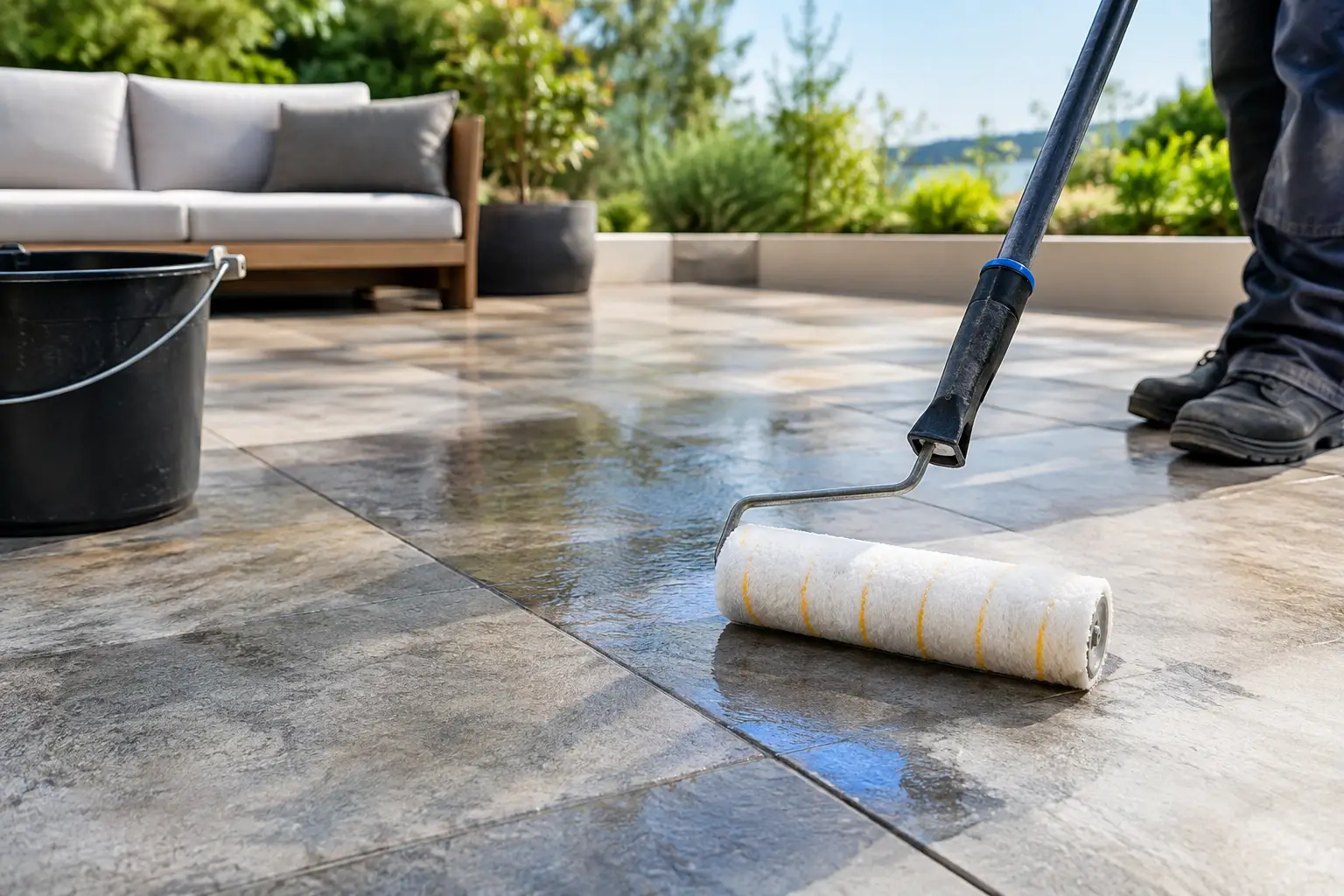
A tiled patio can look clean straight after a wash, yet still be taking on water, oil and grime below the surface. Knowing the signs outdoor tiles need sealing helps you act before stains become permanent, mould keeps returning and the finish starts to deteriorate. For homes, strata properties and commercial outdoor areas across Southeast Queensland, sealing is often the practical next step after professional cleaning.
Why outdoor tile sealing matters
Outdoor tiles deal with far more than foot traffic. Rain, pool water, leaf tannins, sunscreen, barbecue grease, tyre marks and humid weather all leave their mark. On porous tiles and grout, moisture can move into tiny openings that are not obvious to the eye. That creates the right conditions for algae, mould, discolouration and gradual surface wear.
A suitable penetrating sealer helps reduce absorption without necessarily changing the appearance of the tile. It makes ongoing cleaning easier and gives spills less opportunity to soak in. The right product and preparation matter, though. Not every tile needs sealing, and applying sealer to a surface that is dirty, damp or already coated can cause patchiness and poor results.
7 signs outdoor tiles need sealing
1. Water no longer beads on the surface
Try a simple water test after the tiles are clean and dry. Sprinkle a small amount of water onto an inconspicuous area. If it sits in droplets for a short time, there may still be effective protection in place. If it quickly darkens the tile or disappears into the surface, the material is absorbing moisture.
Absorption is particularly common with unglazed porcelain, terracotta, travertine, limestone, sandstone, concrete pavers and porous grout. It does not automatically mean the tiles are damaged, but it is a clear sign they are more exposed to staining and biological growth than they should be.
2. Mould or algae returns soon after cleaning
Green algae around a pool, black mould in shaded corners and slippery film on a path are not just cosmetic problems. They can create a slip hazard for family, visitors, tenants and customers. When growth comes back quickly after cleaning, moisture is often lingering in porous grout lines or the tile surface.
Sealing will not replace proper cleaning or fix drainage problems. A patio that stays damp because of poor airflow, leaking irrigation or pooling water needs those causes addressed first. Once the area is thoroughly cleaned, treated and dried, sealing can make it harder for moisture and contaminants to gain a foothold.
3. Stains darken the tile instead of wiping away
Outdoor living areas collect plenty of stain risks. Cooking oil near the barbecue, dropped drinks, pot-plant marks, rust from furniture, leaf litter and pool chemicals can all leave stubborn patches. If a spill darkens the tile straight away or leaves a shadow after it has been cleaned, the surface may be too absorbent.
Early action is best. Some stains can be lifted with the correct treatment, while others may need more specialised restoration work. Sealing a stained surface simply traps the problem underneath, so cleaning and stain removal always come before protection.
4. Grout lines look dirty all the time
Grout is commonly the first part of an outdoor tiled area to show its age. It is more porous than the tile itself and sits slightly lower, where water, dirt and cleaning residue can collect. If grout lines remain dark, patchy or grimy even after regular scrubbing, they may be absorbing contaminants rather than releasing them.
Clean, dry grout can often benefit greatly from a quality sealer. This is especially useful around alfresco areas, entry paths and pool surrounds where dirt and moisture are constant. It also improves the overall appearance of the tiled area because cleaner grout gives the layout sharper definition.
5. The tiles have lost their even colour
Faded colour is not always a sealing issue. Strong Queensland sun, age and harsh cleaning methods can also change a surface over time. But uneven dark patches, tide marks or areas that look noticeably different after rain can indicate inconsistent absorption.
This is common where a previous sealer has worn away unevenly or where only parts of the area receive regular foot traffic and weather exposure. A professional assessment can identify whether the surface needs a deep clean, old coating removal, targeted treatment or a fresh application of sealer.
6. Cleaning takes more effort than it used to
When outdoor tiles are protected, everyday dirt tends to stay closer to the surface. When protection wears off, grime grips more tightly and cleaning becomes a bigger job. You may notice that a normal hose-down no longer freshens the area, or that you need to scrub the same spots repeatedly.
Avoid responding with excessive pressure or harsh chemicals. High pressure used incorrectly can damage grout, etch softer stone and force water into joints. A surface-safe clean removes built-up contamination without creating avoidable damage, then sealing helps preserve that result for longer.
7. You are preparing the property for sale, lease or regular use
Sometimes the most obvious sign is practical rather than visible. If you are presenting a home for sale, turning over a rental, reopening a commercial outdoor area or preparing a school or strata common area for heavier use, sealing can be a smart maintenance measure.
Clean, evenly protected tiles lift the presentation of an entrance, courtyard, pool area or café seating space. More importantly, they are easier to maintain between professional cleans. For property managers and facility operators, that can mean fewer recurring complaints about stains, mould and neglected-looking surfaces.
Which outdoor tiles should be sealed?
It depends on the material and finish. Natural stone, terracotta, cement-based products, unglazed tiles and grout are commonly porous and often benefit from sealing. Some porcelain tiles are very dense and may not require a sealer on the tile face, although the grout may still need protection.
Glossy glazed tiles generally do not absorb much water, so applying a penetrating sealer may offer little benefit. A topical coating can also be the wrong choice in wet locations if it alters grip or creates a slippery finish. Around pools, steps and frequently wet paths, safety comes first. Any recommended treatment should suit the tile, location and intended use.
Clean first, seal second
Sealing is not a shortcut around restoration. The best result starts with the correct cleaning method for the surface. Mould, algae, dirt, oils and old cleaning residue need to be removed, then the tiles and grout need adequate drying time. Sealer applied over hidden moisture can turn cloudy, fail to penetrate properly or leave uneven protection.
This is where a hands-on assessment saves trouble. A professional can check the tile type, grout condition, existing coatings, drainage, shade and surface contamination before selecting a cleaning approach. Soft washing may be the safer option for delicate finishes, while controlled pressure cleaning may suit harder surfaces with heavier built-up grime.
How often should outdoor tiles be resealed?
There is no single timetable for every property. Exposure to weather, pool splash, traffic, tile porosity, cleaning products and the type of sealer used all affect performance. A covered courtyard may hold protection longer than an exposed pool deck or entry path that receives daily use.
Rather than sealing on a fixed schedule, watch for the water test, recurring staining and rapid mould return. Regular professional cleaning also makes it easier to spot when protection is fading before the surface becomes heavily soiled.
A well-cleaned and properly sealed tiled area should still look natural, feel safe underfoot and be easier to maintain through wet weather and busy seasons. If your outdoor tiles are showing these warning signs, Boost Exterior Cleaning can assess the surface and help restore a cleaner, longer-lasting finish.


