

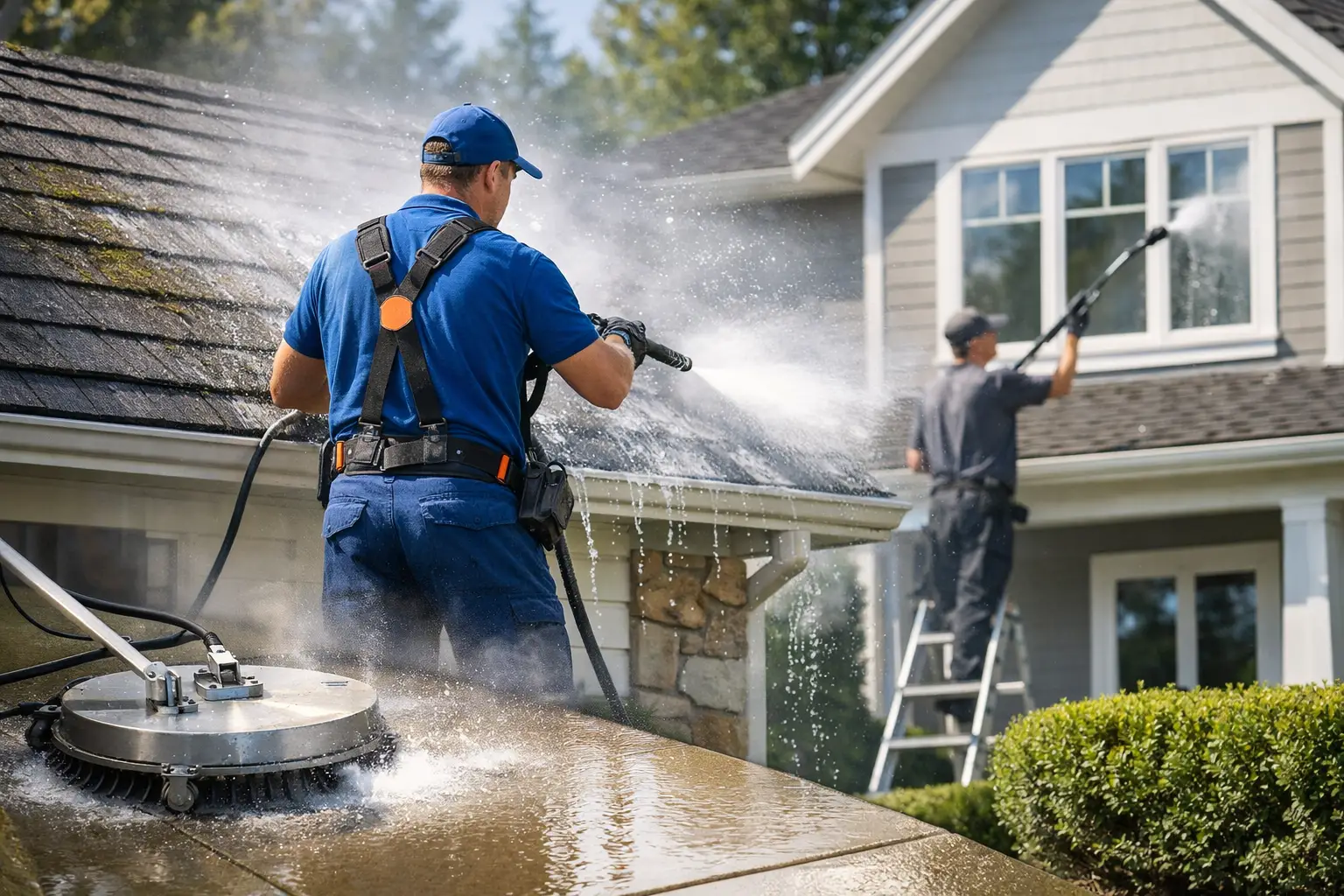
A green film on the driveway, black mould around eaves and streaky paintwork can make a well-kept home look neglected surprisingly quickly. Professional residential exterior cleaning services remove the build-up that ordinary hosing cannot shift, while using the right method to protect the surfaces you have invested in.
For homes across Southeast Queensland, exterior cleaning is more than a quick cosmetic fix. Humidity, rain, shade, leaf litter, vehicle pollution and salt air in coastal areas all contribute to mould, algae, lichen and embedded grime. Left alone, that build-up can stain concrete, make paths slippery, hold moisture against painted surfaces and gradually reduce the presentation of your property.
What residential exterior cleaning services should cover
A proper exterior clean starts with the surface, not the machine. Different materials respond very differently to pressure, water flow and cleaning treatments. High pressure may be suitable for durable concrete when used correctly, but it can damage painted cladding, weathered timber, roof tiles, mortar joints and delicate natural stone if it is the first tool used everywhere.
That is why a professional assessment matters. The best result comes from matching the cleaning method to the material, the level of contamination and the condition of the surface. At Boost Exterior Cleaning, this means using soft washing where a gentle but effective treatment is needed, and controlled pressure cleaning where a tougher surface can handle it.
Most homeowners benefit from a tailored combination of services rather than one blanket approach. This may include house washing, driveway pressure cleaning, pool area cleaning, window cleaning and treatment of mould-prone paths or retaining walls. If the property has pavers, concrete, tile or natural stone, cleaning can also be followed by sealing where appropriate to help reduce future staining and make routine maintenance easier.
House washing without unnecessary damage
Exterior walls collect more than visible dirt. Mould spores, algae, cobwebs, dust and airborne pollutants settle into painted finishes, render, cladding and trim. In shaded areas, particularly along side passages and under eaves, growth can become noticeable well before the rest of the home looks dirty.
Soft washing is often the safer choice for these surfaces. Rather than relying on force to blast contamination away, it uses a controlled cleaning solution and low-pressure rinse to treat organic growth at its source. This helps deliver an even finish without the risk of driving water behind cladding, stripping paint or leaving pressure marks across delicate surfaces.
It depends on the age and condition of the home. A newer painted exterior may only need a maintenance wash, while an older property with chalky paint, heavy mould or fragile finishes needs a more cautious approach. A reputable operator will inspect the surface first and explain what is suitable before work begins.
Driveways, paths and outdoor living areas
Driveways are hard-working surfaces. They collect tyre marks, oil spots, mud, leaf tannins and algae, especially where trees overhang the slab. Concrete may look permanently stained, but professional pressure cleaning can make a major difference to its colour and overall presentation.
The aim is not simply to make concrete look brighter for a day. Thorough cleaning removes the slippery film that develops on paths, entry steps and pool surrounds. This is especially valuable for households with children, older family members or frequent visitors. A clean path will not remove every slip risk, but it is a sensible part of keeping outdoor areas safer.
Pool decks and patios need additional care. Tiles, pavers and natural stone can be affected by harsh pressure or unsuitable chemicals. Stone in particular may need specialised treatment to avoid etching, discolouration or damage to joints. The right process restores the area without turning a surface-preservation job into an expensive repair.
Windows, gutters and the details people notice
A freshly cleaned home can still look unfinished if windows are streaky or the eaves are marked with mould. Window cleaning and detailed washing around frames, fascias, soffits and entryways bring the whole presentation together. These are the finishing touches that stand out when guests arrive, when property photos are taken or when prospective buyers inspect a home.
Not every exterior service needs to happen on the same day. If your priority is preparing for sale, a full property refresh makes sense. If you are working to a maintenance budget, starting with the house wash, front driveway and main entry can deliver the most immediate improvement. The right plan should fit the condition of the property and the outcome you want.
When should you book exterior cleaning?
There is no single schedule that suits every home, but annual cleaning is a practical benchmark for many Queensland properties. Homes beneath large trees, close to the coast, in damp shaded pockets or near busy roads may need attention more often. The tell-tale signs are usually clear: green or black growth, dull paintwork, slippery concrete, water marks below gutters, stained pavers and windows that no longer look clean after rain.
Pre-sale cleaning is another common reason to book. Buyers notice the driveway, front path, exterior walls and windows before they walk through the front door. A clean exterior will not replace necessary repairs or landscaping, but it can make a property feel cared for and improve the impact of professional photography and open homes.
For rental properties, exterior cleaning can also be useful between tenancies or before routine inspections. It helps property managers present the home well and addresses mould or grime before it becomes a larger maintenance concern. Body corporate and strata-managed townhouses often benefit from scheduled cleaning too, particularly on shared paths, entry areas and façades.
What to expect from a professional clean
Good exterior cleaning is organised, careful and visible. Before work starts, the operator should identify sensitive surfaces, assess the degree of growth, consider water access and protect nearby plants or outdoor items as needed. You may be asked to clear furniture, toys, pot plants or vehicles from the work area so every surface can be cleaned safely and thoroughly.
During the job, the method should suit the task. Soft washing is typically used for painted walls and other delicate finishes, while pressure cleaning is reserved for suitable hard surfaces such as concrete driveways. Treatments need time to work on mould and algae, so the fastest-looking method is not always the most effective one.
Some stains may not disappear completely, particularly deep oil marks, rust, old paint stains or permanent discolouration in aged concrete. An experienced cleaner will be upfront about this rather than promising a result the surface cannot deliver. Even where staining remains, a professionally cleaned area can still look significantly fresher and more uniform.
After cleaning, allow surfaces to dry before replacing furniture or walking across treated areas where advised. Keep an eye on shaded spots in the months ahead. Regular sweeping, trimming back dense vegetation and clearing leaf litter from paths can slow down the return of algae and mould between professional visits.
Cleaning and sealing: when the extra step is worthwhile
Cleaning restores the surface you can see. Sealing can help protect it from what comes next. For suitable concrete, pavers, tiles and some natural stone, a quality sealant can reduce the absorption of water, dirt and stains. This can be particularly worthwhile on driveways, pool surrounds and entertaining areas that receive regular use.
Sealing is not a universal answer. The surface must be thoroughly cleaned, dry and appropriate for the product. Some finishes require a penetrating sealer, while others may not benefit from sealing at all. Applying the wrong product can change the appearance, create a slippery finish or trap moisture, which is why surface-specific advice is essential.
A well-maintained exterior protects more than street appeal. It helps preserve painted finishes, keeps hard surfaces more presentable and gives you a home that looks looked after year-round. Whether you are preparing to sell, managing an older property or simply tired of seeing mould take over the driveway, start with a professional assessment and a clear plan for the surfaces that need attention most.


