

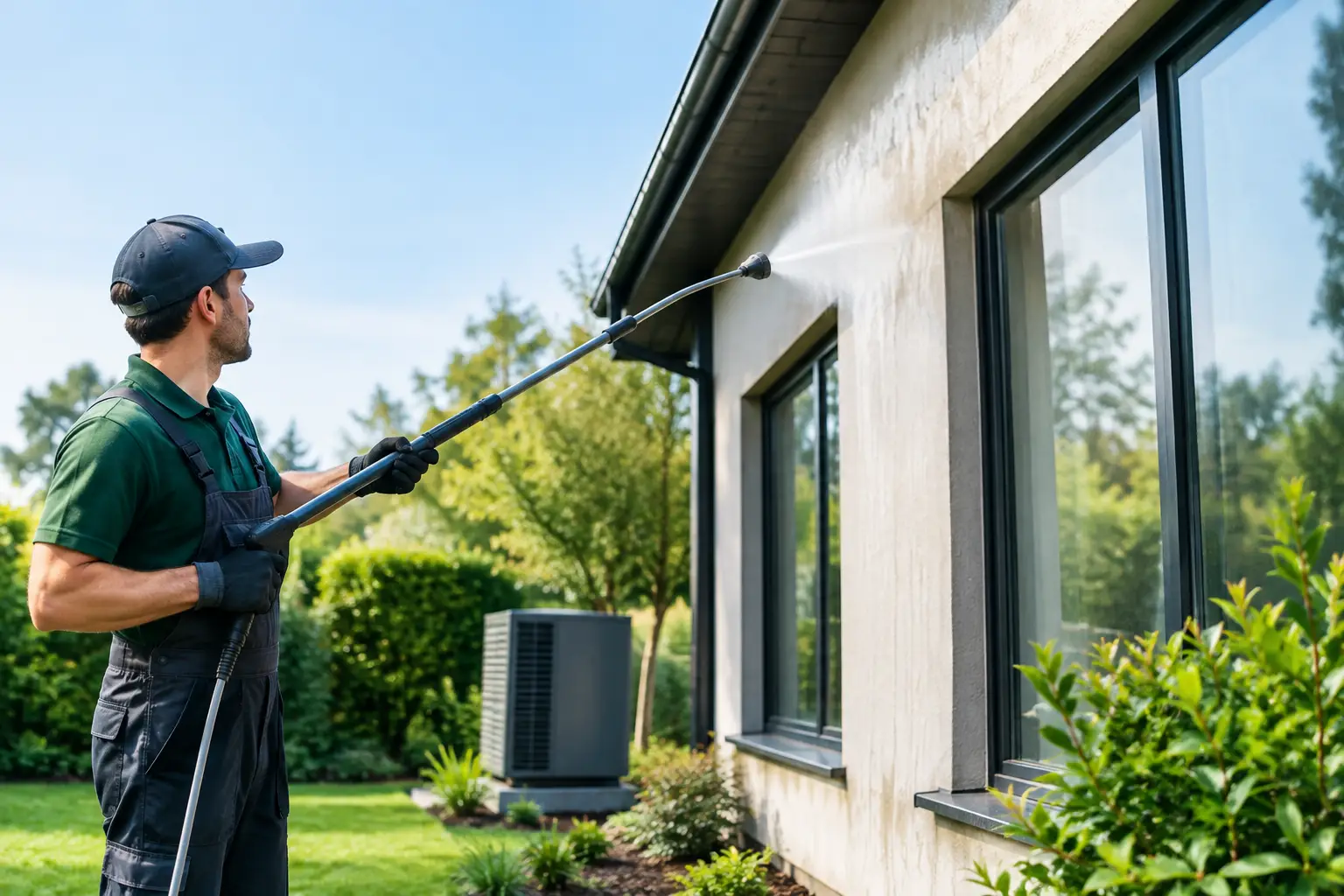
A blackened north-facing wall, slippery pool pavers or a stained driveway can make a well-kept property look neglected fast. Future sustainable exterior cleaning methods are not about accepting weaker results to use less water or fewer products. They are about choosing the right treatment, pressure and process so grime, mould and algae are removed properly while surfaces, gardens and drainage systems are treated with care.
For homeowners, body corporates, schools and commercial property managers across Southeast Queensland, that approach matters. Our humid climate encourages organic growth, while traffic pollution, leaf tannins, salt air and everyday foot traffic add another layer of dirt. Cleaning only for appearance can become costly if the method damages paint, etches concrete or sends contaminated wash water where it should not go.
Why Sustainable Cleaning Is Moving Beyond High Pressure
For years, exterior cleaning was often treated as a simple pressure washing job: more pressure, more water and a faster pass. That can work on some hard surfaces, but it is not a universal answer. Excessive pressure can scar timber, strip paint, disturb mortar, damage roof coatings and force water behind cladding or window seals.
The more sustainable option is often the one that preserves the surface for longer. Repainting early, replacing damaged pavers or repairing etched concrete carries its own material, labour and waste costs. A considered cleaning method reduces that risk by matching the approach to the surface and the contamination.
Soft washing is a good example. It uses lower pressure with purpose-selected treatment to break down organic growth before a controlled rinse. On painted exteriors, render, delicate cladding and many roof-adjacent areas, this can achieve a cleaner finish without relying on aggressive force. It also helps remove the root cause of visible mould and algae rather than simply blasting the top layer away.
That does not mean high-pressure cleaning is being left behind. Driveways, hard concrete, some commercial paths and certain car park areas may need it. The future is not one method for every job. It is better assessment before cleaning, followed by the least aggressive process that can produce a lasting result.
Future Sustainable Exterior Cleaning Methods in Practice
The best changes are practical ones that improve cleaning outcomes on real properties. They start before the machine is switched on.
Surface assessment and targeted treatment
A professional cleaner should identify what the surface is made from, how old it is, where the staining is coming from and whether any previous coatings or sealers are present. Concrete, natural stone, tiles, painted render and timber all respond differently to water pressure and cleaning solutions.
Targeted treatment means applying products only where they are needed and at an appropriate strength. A driveway marked by tyre residue may need a different process from pavers affected by algae. A mould-stained house exterior needs a different approach again. This reduces unnecessary chemical use, avoids repeat work and helps protect finishes.
Lower-water equipment and controlled rinsing
Water efficiency is not simply about using the shortest possible rinse. Too little water can leave residue behind, while too much can create unnecessary runoff. Modern equipment gives operators more control over flow, pressure and application, allowing water to be used where it does the job rather than sprayed broadly across the site.
Controlled rinsing also matters around garden beds, pools, stormwater drains and neighbouring properties. Preparing the area, wetting sensitive vegetation where appropriate, covering or moving items, and managing runoff are all part of a responsible process. On commercial sites and schools, planning around drains, pedestrian areas and operating hours is especially important.
Smarter use of cleaning products
“Sustainable” is sometimes mistaken for “chemical-free”. In exterior cleaning, that can lead to poor outcomes. Mould, algae and biological staining often require an effective treatment to be removed safely and thoroughly. The key is not avoiding every cleaning product. It is using the correct product in the correct amount, following manufacturer directions and preventing overspray or uncontrolled discharge.
Future-focused cleaning providers will continue to favour accurate dilution systems, controlled application and products selected for the surface and the contaminant. They will also make site preparation standard practice, rather than an afterthought. That includes protecting plants, identifying drainage paths and keeping people and pets clear until the area is safe to use.
Preventative surface protection
One of the most effective ways to reduce cleaning demand is to stop surfaces from absorbing stains and holding moisture in the first place. Quality concrete, tile and natural stone sealing can make routine maintenance easier by limiting the penetration of dirt, oils and organic matter.
Sealing is not suitable for every surface, and it must be applied to a properly cleaned and fully prepared area. The wrong sealer can change appearance, trap moisture or create a slippery finish. When it is appropriate, however, it can extend the life of driveways, pool surrounds and paved areas while reducing the need for heavy cleaning later.
What This Means for Different Properties
A homeowner may be focused on protecting paintwork, improving kerb appeal or preparing a property for sale. For them, soft washing and scheduled maintenance can prevent the slow build-up that turns a straightforward clean into a larger restoration job.
For body corporates, the priorities are broader. Shared paths, bin areas, entryways, car parks and pool surrounds need to look presentable while remaining safe underfoot. A planned programme can spread work across the year, address high-use areas first and avoid sudden, disruptive cleaning requirements before inspections or tenancy changes.
Schools and commercial facilities must also consider duty of care and operational disruption. Cleaning around students, customers, vehicles and staff calls for clear site controls, sensible timing and a contractor who understands that a clean surface is only one part of the job. Keeping walkways clear, managing wet areas and protecting surrounding assets are just as important as the final before-and-after result.
The Trade-Offs to Consider
Sustainable exterior cleaning is not a fixed checklist. It depends on the material, the contamination, the site layout and the required finish.
Low pressure is safer for many surfaces, but it may take more dwell time and careful treatment. High pressure can be efficient on sound concrete, but it can damage softer materials or expose weak areas if used incorrectly. Sealing can reduce future maintenance, but it adds an upfront cost and needs to be chosen carefully. Water recovery and runoff control may require extra preparation, particularly on large commercial sites.
The right decision is usually the one that avoids false savings. A quick, harsh clean may cost less on the day but shorten the life of a painted surface or leave algae ready to return. A properly planned service may take more care upfront, yet deliver better presentation and fewer avoidable repairs over time.
A Better Standard for Exterior Maintenance
The future of exterior cleaning will be shaped by precision. Better equipment, smarter water use and more surface-specific treatments will help property owners maintain cleaner spaces without treating every job like a concrete driveway.
At Boost Exterior Cleaning, that practical mindset is central to the work: use the appropriate pressure and treatment, protect the surface, and deliver a result that stands up after the equipment is packed away. Whether it is a house wash, pool area clean, school grounds refresh or commercial building wash, the aim is the same – cleaner, safer and longer-lasting exterior surfaces.
The most useful next step is to look at cleaning as planned maintenance rather than a last-minute fix. When mould, grime and staining are dealt with early using the right method, your property stays easier to manage, safer to use and ready to make a strong first impression.


