

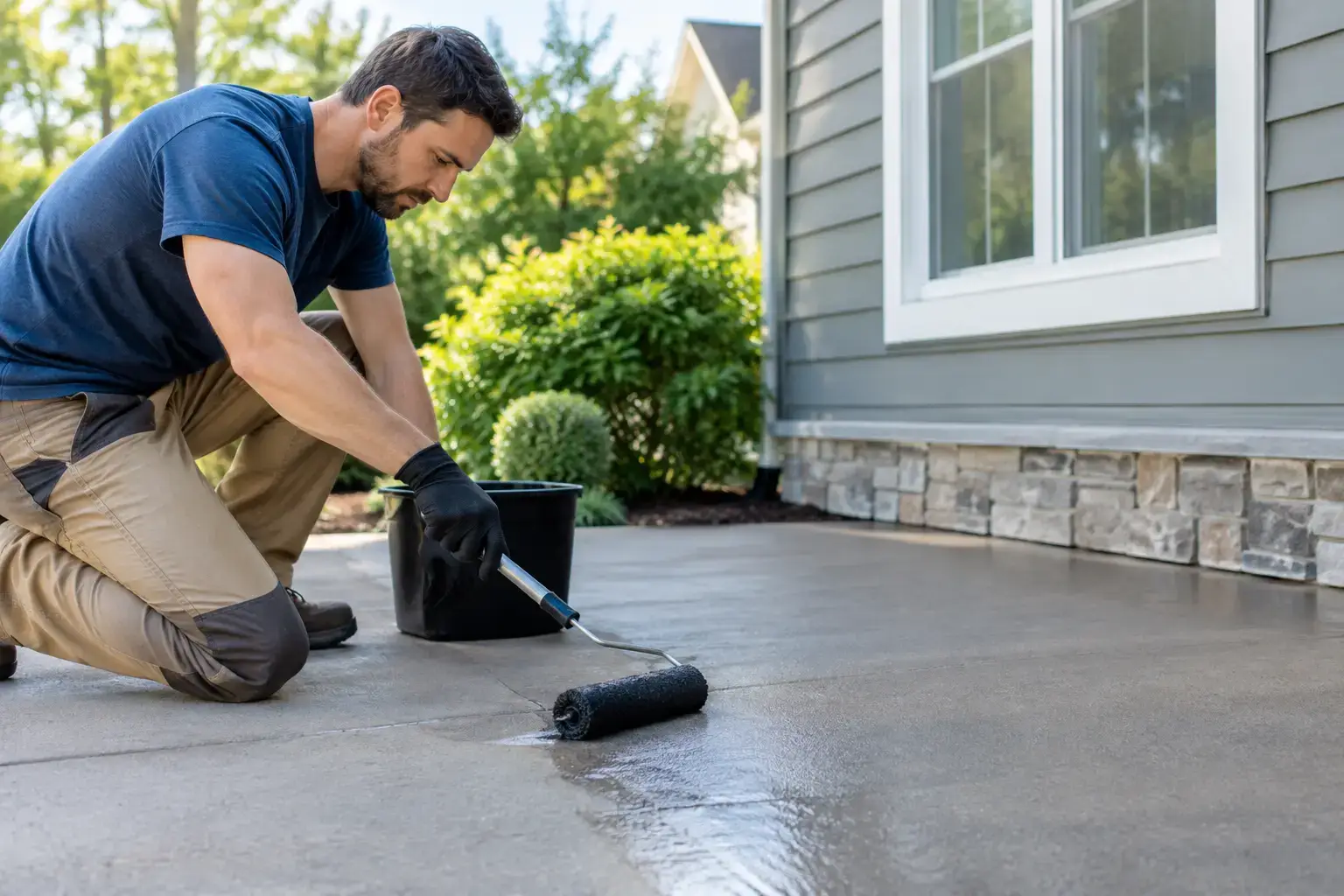
A driveway that has lost its depth of colour, pavers that stay damp after rain, or a pool area that feels rough underfoot are not just cosmetic concerns. The question, “when should exterior surfaces be resealed?”, usually comes up when the protective layer has already started to wear away. Resealing at the right time helps prevent staining, moisture damage and surface deterioration before repairs become the more expensive job.
For homes, commercial sites, schools and body corporate properties across Southeast Queensland, there is no single calendar date that suits every surface. Sun exposure, heavy rain, foot traffic, vehicle use, cleaning methods and the type of sealer already applied all affect how long protection lasts.
When should exterior surfaces be resealed?
As a general guide, many exterior concrete, paver and tile surfaces benefit from resealing every two to five years. High-traffic areas, including driveways, paths, entryways, parking areas and pool surrounds, may need attention sooner. Natural stone can also require more frequent assessment because it is often more porous and sensitive to moisture, salt and chemical exposure.
Rather than relying only on the date of the last seal, look at how the surface is performing. A quality sealer should help water bead on the surface, reduce the way oil and dirt soak in, and make regular cleaning easier. When those benefits fade, the surface is telling you it is time to act.
In Queensland conditions, intense UV, humidity and summer storms can shorten a sealer’s effective life. A shaded area may hold mould and algae for longer, while an exposed driveway can lose protection through heat, rain and daily vehicle traffic. The right resealing schedule is based on the specific surface and how it is used.
Signs your sealer is no longer protecting the surface
Water behaviour is one of the clearest indicators. On a properly sealed surface, water should bead or sit briefly near the top before draining away. If it quickly darkens the concrete, pavers or stone, the material may be absorbing moisture rather than repelling it.
Stains are another warning sign. Oil spots on a driveway, leaf marks on pavers, food spills around outdoor entertaining areas and rust marks near furniture can become much harder to remove once the sealer has worn down. Sealing will not make a surface stain-proof, but it gives you more time to clean spills before they penetrate.
Changes in appearance also matter. Fading colour, patchy sections, a chalky look or areas that appear permanently dull can indicate that the previous coating is breaking down. On sealed pavers or decorative concrete, an uneven finish may also show that sealer has worn away faster in wheel tracks, walkways or sun-exposed sections.
Pay attention to surface texture as well. If a pool surround, tiled patio or paved path feels increasingly rough, porous or difficult to clean, it may be taking on grime and moisture more readily. That can support algae growth and make the area less presentable between maintenance visits.
Resealing starts with proper cleaning
Applying fresh sealer over embedded dirt, mould, algae, efflorescence or old failing product is a false economy. The contaminants remain trapped beneath the coating, and the result can be patchy, cloudy or short-lived.
Preparation should match the material. Concrete driveways may need pressure cleaning to lift built-up grime and surface contaminants. Painted finishes, delicate tiles and some natural stone often require a lower-pressure soft washing approach with the right treatment, rather than aggressive blasting. Excessive pressure can damage pointing, strip finishes or etch softer materials, creating problems that sealing cannot fix.
The surface then needs sufficient drying time. Sealing damp concrete, pavers or stone can trap moisture and affect adhesion, particularly after wet weather or deep cleaning. Drying time depends on the material, weather and site conditions. A professional assessment is useful when the surface has heavy staining, previous coatings or signs of moisture issues.
Different surfaces, different resealing timelines
Concrete driveways and paths
Driveways work hard. Tyres, oil drips, brake dust, rainwater and UV exposure steadily wear down the protective layer. Most sealed concrete driveways should be assessed every two to three years, with earlier attention worthwhile where there is frequent vehicle use or visible water absorption.
A penetrating sealer can help protect porous concrete without dramatically changing its appearance. A film-forming sealer may enhance colour or provide a glossier finish, but it can need more careful maintenance and preparation when it is time to recoat. The best choice depends on the look you want, slip resistance requirements and the condition of the existing surface.
Pavers and outdoor tiles
Pavers often need resealing every two to four years, particularly around entertaining areas, entry paths and pool zones. Joints and edges deserve attention because shifting sand, weeds, moisture and organic growth can affect the overall presentation and stability of the area.
Outdoor tiles vary widely. Porcelain tiles are generally less porous than unglazed ceramic, terracotta or quarry tiles, so they may not need the same type of penetrating sealer. Grout, however, can still benefit from protection. Always identify the tile before choosing a cleaning method or sealer, as the wrong product can leave a residue or create a slippery finish.
Natural stone
Natural stone should never be treated as a one-size-fits-all surface. Travertine, sandstone, limestone and other porous stones can absorb water and stains quickly if unsealed. Depending on the stone, location and traffic levels, an annual inspection and resealing every one to three years may be sensible.
Stone around pools requires extra care. Salt, sunscreen, pool chemicals and constant wetting can affect both the stone and its protective treatment. A suitable breathable sealer helps reduce absorption while allowing moisture vapour to escape. Choosing a product simply for shine can create an artificial look or compromise slip resistance.
Commercial and shared properties
For shopping centres, schools, strata complexes and commercial premises, resealing is also a presentation and maintenance decision. Entry paths, car parks, loading areas and common outdoor spaces see more consistent traffic, more spills and more visible wear than a typical household patio.
These sites benefit from scheduled inspections rather than waiting for the surface to look neglected. A planned clean and reseal can help extend the service life of high-use areas, support a professional appearance and reduce the effort needed to remove stubborn stains later. The timing may be coordinated with school holidays, tenancy turnover or quieter trading periods to minimise disruption.
Do not reseal over damage or active growth
Resealing is protective maintenance, not a repair for cracked concrete, loose pavers, failing grout or drainage problems. Cracks should be assessed and repaired where needed before sealing. If water regularly pools in one area, address the drainage issue first, otherwise moisture and grime will continue to return.
Mould, algae and lichen must also be properly treated before resealing. Covering them with sealer may temporarily change the appearance, but it does not remove the cause. The growth can reappear, and the finish may fail sooner than expected.
It is also worth checking for old sealer failure. Peeling, whitening, bubbling or sticky patches can mean the existing coating is incompatible, applied too heavily or affected by moisture. In these cases, stripping or corrective preparation may be required before a new coating can perform properly.
Choosing the right time of year
Dry, settled weather is usually best for exterior sealing. The surface needs to be clean and dry, and the sealer needs enough time to cure without rain, heavy condensation or debris landing on it. Avoid booking the work immediately before a forecast downpour or during a period when the area cannot be kept clear of vehicles and foot traffic.
That said, waiting for the “perfect” season can lead to unnecessary delays. If water is soaking in, stains are setting and the surface is visibly deteriorating, arrange an assessment and plan the work around an appropriate weather window. Good preparation and the correct product selection matter more than picking a particular month on the calendar.
Protect the finish between reseals
Regular cleaning helps your sealer last closer to its expected lifespan. Sweep away leaves and soil, clean spills promptly and avoid harsh chemicals that can strip or dull the finish. Keep mould and algae under control with a surface-appropriate treatment, especially in shaded or damp areas.
Avoid using excessive pressure as a routine fix. High pressure may appear effective in the moment, but it can damage soft stone, disturb paver joints and shorten the life of some coatings. The safest approach is to use the pressure, chemical treatment and technique that suit the surface in front of you.
If your driveway, pavers, concrete, tiles or stone are showing the early signs of wear, a professional clean and reseal can restore their appearance while helping protect the investment underneath. Boost Exterior Cleaning can assess the surface condition and recommend a practical treatment that keeps your property looking cared for, not merely covered over.


