

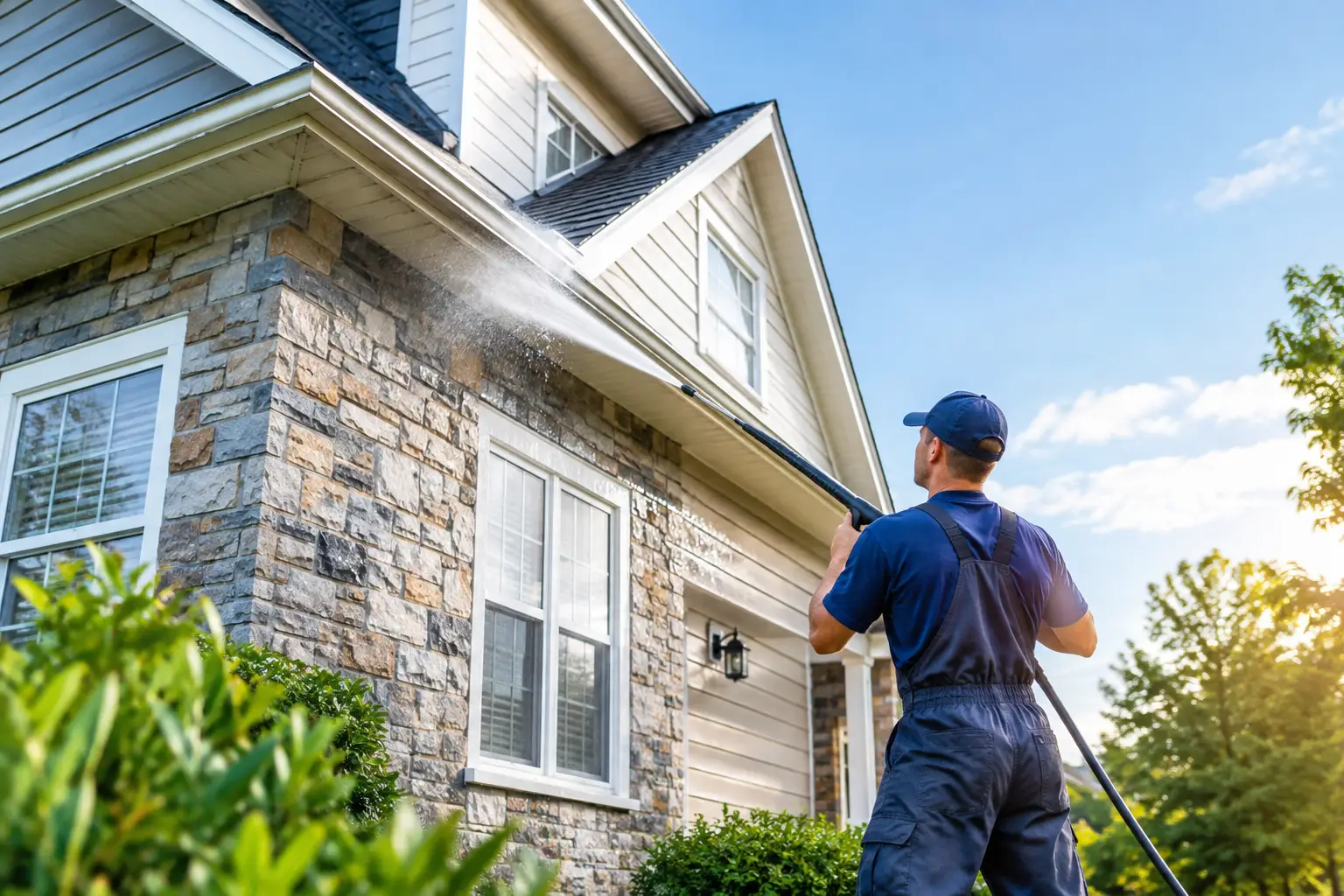
A building can look tired long before it is structurally worn out. Black mould on painted walls, algae on paths, oil-stained driveways and grimy windows can quickly change how a home, school or commercial site is perceived. Professional exterior restoration addresses those visible problems while helping protect the surfaces underneath from ongoing deterioration.
For property owners across Southeast Queensland, the challenge is not simply getting surfaces clean. It is choosing a method that removes contamination without damaging paintwork, mortar, tiles, stone, seals or surrounding landscaping. The right approach depends on the surface, its condition and the type of grime involved.
What exterior restoration actually involves
Exterior restoration is more than a quick high-pressure rinse. It is the process of assessing outdoor surfaces, treating mould, algae, lichen, dirt, pollutants and stains appropriately, then cleaning and protecting those surfaces to improve their condition and presentation.
A full-property service may include house washing, driveway pressure cleaning, roof-adjacent walls, pool surrounds, windows, retaining walls, fences, tennis courts, car parks and common areas. On commercial sites, it can also involve building facades, footpaths, loading areas and high-traffic entry points.
The visible difference is often immediate, but the long-term value comes from removing the organic growth and embedded grime that can hold moisture against a surface. Left untreated, mould and algae can make paths slippery, stain paintwork, affect the appearance of porous concrete and contribute to faster surface wear.
Soft washing versus pressure cleaning
Not every surface should be cleaned with the same equipment or pressure setting. This is where experience makes a practical difference.
Soft washing uses low pressure with carefully selected cleaning solutions to treat organic growth and lift grime from delicate exterior finishes. It is particularly suited to painted walls, rendered surfaces, cladding, eaves, fences and older homes where aggressive pressure could strip paint, force water into gaps or mark the surface.
Pressure cleaning is effective for hard-wearing surfaces such as concrete driveways, some paved areas, car parks and heavily soiled paths. Even then, pressure must be matched to the material. Too much force can etch concrete, disturb jointing sand, damage tile coatings or leave uneven cleaning marks that become obvious once the area dries.
The best exterior cleaning contractors do not arrive with one setting for every job. They inspect the material, identify the contamination and use the safest method that will produce a thorough result. For many properties, that means a combination of soft washing and controlled pressure cleaning.
Why mould and algae need treatment, not just water
Queensland’s humidity, rain and warm conditions create ideal growth conditions for mould, algae and mildew. A water-only clean may brighten a surface temporarily, but it often leaves spores or organic matter behind. That can allow growth to return sooner, particularly in shaded areas around pool fences, southern walls, pathways and garden edges.
A suitable treatment helps break down this growth before or during cleaning. The result is a cleaner finish and a better chance of extending the time between maintenance visits. Chemical selection and dilution matter here. The wrong product can affect paint, vegetation, natural stone or nearby waterways, while too little treatment may not resolve the underlying issue.
The surfaces that benefit most from restoration
Driveways are usually one of the first areas people notice. Tyre marks, oil spots, leaf tannins and black algae can make a well-kept home look neglected. A professional clean can lift years of built-up dirt, while driveway sealing can add a protective layer that makes future cleaning easier and improves the finished appearance.
Painted exteriors also benefit from regular soft washing. Airborne pollutants, cobwebs, dust and mould settle gradually, so the deterioration can be easy to miss until the building looks noticeably dull. Washing helps restore colour and presentation without the cost and disruption of repainting before it is necessary.
Natural stone, tile and pool areas need a more cautious approach. These materials vary widely in density, finish and sensitivity. Natural stone can be porous and susceptible to staining, while some tiles and grouts can be damaged by unsuitable pressure or chemicals. A surface-specific clean, followed by appropriate sealing where needed, can help retain the material’s appearance and reduce moisture absorption.
For commercial properties, clean entry areas and car parks have an operational benefit as well as a visual one. Slippery algae on walkways can create a safety concern. Dirty building fronts, shopping centre paths and marked parking areas can affect customer confidence before anyone walks through the door. Regular maintenance is generally more cost-effective than waiting for contamination to become heavily embedded.
When to plan exterior restoration
There is no single schedule that suits every property. A coastal home, a heavily shaded block or a busy retail site may need more frequent cleaning than a newer home in a dry, open position. As a general guide, annual exterior washing is a sensible maintenance starting point for many Queensland properties, with high-traffic or high-moisture areas assessed more often.
Look for early signs rather than waiting for a major build-up. Black or green spotting on walls, slippery paths after rain, water that no longer beads on sealed surfaces, dull windows and staining beneath gutters are all reasons to arrange an inspection.
Property managers may also schedule cleaning around lease changes, sale campaigns, school holidays or planned maintenance works. Coordinating services can reduce disruption and ensure a site is presented well when tenants, customers, parents or prospective buyers arrive.
Restoration before selling or leasing
Exterior presentation strongly influences first impressions. Buyers and tenants often form an opinion from the street before inspecting the interior. A freshly cleaned facade, driveway and entry path can make landscaping look sharper, paintwork look brighter and the whole property feel better maintained.
This does not mean every property needs a major renovation before sale. In many cases, exterior restoration is one of the most practical ways to improve presentation quickly. It can reveal the true condition of surfaces that have simply been hidden by grime, rather than genuinely damaged.
For rental properties and strata complexes, scheduled cleaning also supports consistent standards across shared spaces. Clean paths, bin areas, pool surrounds and building entries show residents and visitors that the property is actively cared for.
Protecting surfaces after cleaning
Cleaning is an important first step, but protection can extend the result on suitable surfaces. Concrete and tile sealing can help reduce the penetration of moisture, dirt and stains. On driveways, a quality seal may improve colour depth and make routine maintenance easier. The right product depends on whether the surface is plain concrete, exposed aggregate, pavers, tile or natural stone.
Sealing is not automatically the right choice for every surface. It needs a clean, dry and stable base, and an unsuitable product can alter slip resistance, leave a patchy finish or trap moisture. An experienced contractor should explain what the sealant is designed to do and set realistic expectations about maintenance.
Ongoing care still matters. Sweeping leaf litter, clearing gutters, trimming vegetation away from walls and addressing irrigation overspray can all slow down the return of mould and staining. These small actions support professional cleaning and help surfaces stay presentable for longer.
Choosing a contractor for exterior restoration
The lowest quote is not always the best value if it relies on excessive pressure, generic chemicals or rushed preparation. Ask whether the contractor assesses different materials, uses soft washing where appropriate and has experience with the specific surfaces on your property.
For larger sites such as schools, body corporate complexes and retail centres, clear communication is equally important. Work should be planned around pedestrian access, trading hours, student safety and drainage considerations. A reliable operator will explain the scope, identify areas of concern and provide a practical schedule rather than treating the site as a one-size-fits-all job.
Boost Exterior Cleaning approaches each project with the right combination of equipment, treatment and surface care. Whether the priority is a safer pool surround, a cleaner commercial frontage or a driveway ready for sale, the aim is a visible result without unnecessary risk to the property.
A clean exterior does more than improve the view from the street. It helps you stay ahead of moisture-loving growth, protects the surfaces you have already invested in and keeps your property ready for the people who use it every day. If grime is starting to hide the quality of your home or site, addressing it early is usually the simplest and most cost-effective next step.


