

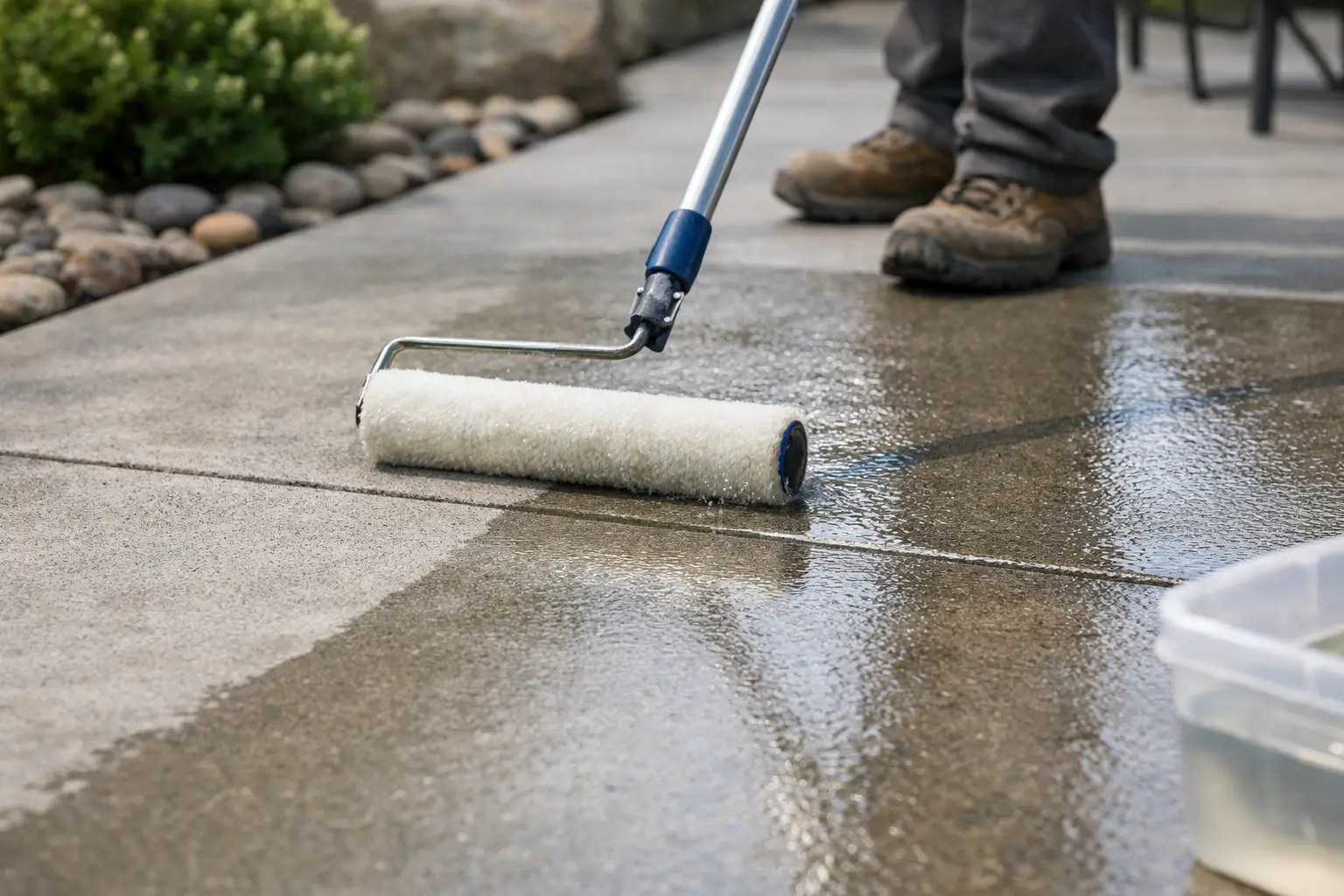
A driveway can look clean on Monday and already start dulling off by the next wet week. In Southeast Queensland, concrete cops a lot – sun, rain, tyre marks, leaf stain, mould, algae and general wear. That is why a proper guide to concrete surface sealing matters. Sealing is not just about getting a nicer finish. Done well, it helps protect the slab, slows staining, and makes ongoing cleaning far easier.
For homeowners, body corporates and site managers, the main question is usually simple: is sealing worth it? In many cases, yes – but only when the surface is cleaned properly first, the right sealer is chosen, and the application suits the way the area is used. A rushed job can leave you with patchy coverage, trapped moisture or a finish that becomes slippery when wet.
What concrete surface sealing actually does
Concrete is hard-wearing, but it is also porous. That means water, dirt, oil, tannins and other contaminants can soak into the surface over time. Once stains get below the top layer, they become harder to remove and can leave the slab looking older than it is.
A quality sealer creates a protective barrier or penetrates into the concrete to reduce absorption. The practical benefit is straightforward. Spills sit closer to the surface instead of soaking in straight away, mould and grime have less to grab onto, and routine maintenance takes less effort.
Sealing can also improve presentation. Some products keep the surface looking natural, while others deepen the colour or add a low sheen. On a driveway, entry path or pool surround, that visual lift can make the whole property look better maintained.
A guide to concrete surface sealing options
Not every sealer works the same way, and the best choice depends on the condition of the concrete and how the area is used.
Penetrating sealers
These soak into the concrete and work below the surface. They are usually a good fit when you want protection without changing the look too much. For exposed outdoor areas, this can be a smart option because the finish stays more natural and tends to have less impact on slip resistance.
They are often chosen for driveways, footpaths and larger commercial hardstand areas where function matters more than gloss. The trade-off is that they generally do less to enhance appearance than film-forming products.
Film-forming sealers
These sit on top of the concrete and form a coating. They can give the surface a richer colour and a more finished look, which is why many people choose them for decorative concrete or areas where presentation is a priority.
The downside is that surface coatings need more careful preparation and maintenance. If the area has moisture issues, poor drainage or heavy wear, film-forming sealers can wear unevenly or start to peel. In some settings, they can also become more slippery, especially if the wrong product is used near pools or shaded zones.
When sealing makes the most sense
Freshly cleaned concrete is often the best candidate for sealing. Once built-up grime, black spotting, mould and old residues are removed, the sealer can bond more evenly and do its job properly.
Driveways are one of the clearest examples. They deal with vehicle traffic, oil drips, tyre marks and weather exposure all year. Sealing helps limit staining and keeps the surface easier to wash down. Paths, patios, pool surrounds and entry areas can also benefit, especially where moisture and organic growth are common.
There are times when sealing should wait. If concrete is new, it may need time to cure fully before any product is applied. If the slab is already flaking, cracking badly or holding moisture, those issues should be assessed first. Sealer is protective, not magic. It will not fix underlying concrete failure.
Why surface preparation matters more than the sealer label
This is where a lot of sealing jobs go wrong. People focus on the product and overlook the preparation. In reality, poor prep is one of the main reasons sealers fail early.
Concrete needs to be thoroughly cleaned before sealing. That may involve pressure cleaning, mould and algae treatment, degreasing, and removal of surface contaminants that can stop the sealer from bonding. The right pressure matters. Too much can damage softer or ageing concrete, while too little leaves contamination behind.
The surface also needs to dry properly. Sealing damp concrete can trap moisture, which may lead to whitening, hazing or uneven finish. In Queensland conditions, drying time can vary depending on humidity, shade and recent weather. A slab that looks dry on top is not always ready.
Choosing the right finish for the area
A glossy finish is not automatically the best finish. For many residential driveways, a natural or low-sheen look gives solid protection without drawing attention to wear. For decorative concrete, a richer finish may be the better visual choice.
Pool areas and sloped surfaces need extra care. If slip resistance is a concern, the product and finish should reflect that. The same goes for schools, unit complexes and commercial walkways where safety matters just as much as appearance.
There is also a maintenance question. Some finishes need periodic reapplication sooner than others, particularly in high-traffic areas or spots exposed to strong sun. A good sealing plan looks at how the surface will perform over time, not just how it looks on day one.
How long concrete sealing lasts
There is no one-size-fits-all answer. Lifespan depends on the type of sealer, the level of traffic, exposure to weather, and how well the surface was prepared in the first place.
On a residential driveway, you might get several years from a quality application, but heavy use, turning tyres, constant sun and frequent moisture can shorten that window. Commercial sites and shared complexes often need closer monitoring because wear happens faster.
The clearest sign it may be time for maintenance is when water stops beading or the surface starts staining more easily again. Fading, patchiness and uneven wear can also point to the need for resealing.
Common mistakes to avoid
The biggest mistake is sealing dirty concrete. If mould, dust, grease or old residues are still present, the finish may look fine at first but fail much sooner than it should.
Another common issue is choosing a product based only on appearance. That can lead to the wrong result for the setting, especially on wet areas or heavily used driveways. It is also risky to apply sealer in poor weather or before the slab has dried enough.
Over-application causes problems too. More product does not always mean more protection. It can create patchiness, longer curing times and a finish that attracts more wear. A controlled, even application is what counts.
DIY or professional sealing?
For a small, straightforward area, some property owners will consider doing it themselves. That can work if the concrete is in good condition, the cleaning is thorough, and the product is suited to the surface.
But sealing often looks easier than it is. Cleaning methods, chemical treatment, moisture assessment and product choice all affect the result. On larger driveways, shared properties, commercial sites or older concrete, professional work usually saves time and reduces the chance of costly mistakes.
A professional service should not just turn up and roll on a product. The job starts with assessing the slab, cleaning it correctly, identifying any problem areas, and choosing a sealer that suits both the surface and the site conditions. That approach is especially important in places where mould, algae and heavy weather exposure are part of normal maintenance.
Getting better value from sealed concrete
The best way to get long-term value is to treat sealing as part of an ongoing maintenance plan. Clean first, seal correctly, and keep the surface maintained before grime and organic growth build up again.
That does not mean constant work. In most cases, periodic professional cleaning and timely resealing are enough to keep the area looking sharp and performing well. For property managers and facility operators, that can also help reduce the cost of major restoration later on.
At Boost Exterior Cleaning, we see the difference proper preparation makes every day. A well-cleaned, well-sealed concrete surface not only looks better – it stands up better to weather, traffic and regular use.
If you are weighing up whether to seal a driveway, path, pool surround or commercial hardstand, start with the condition of the surface rather than the shine on the label. The right result comes from matching the method to the concrete, the location and the way the area is used. That is what keeps the finish looking good long after the first coat has dried.


