

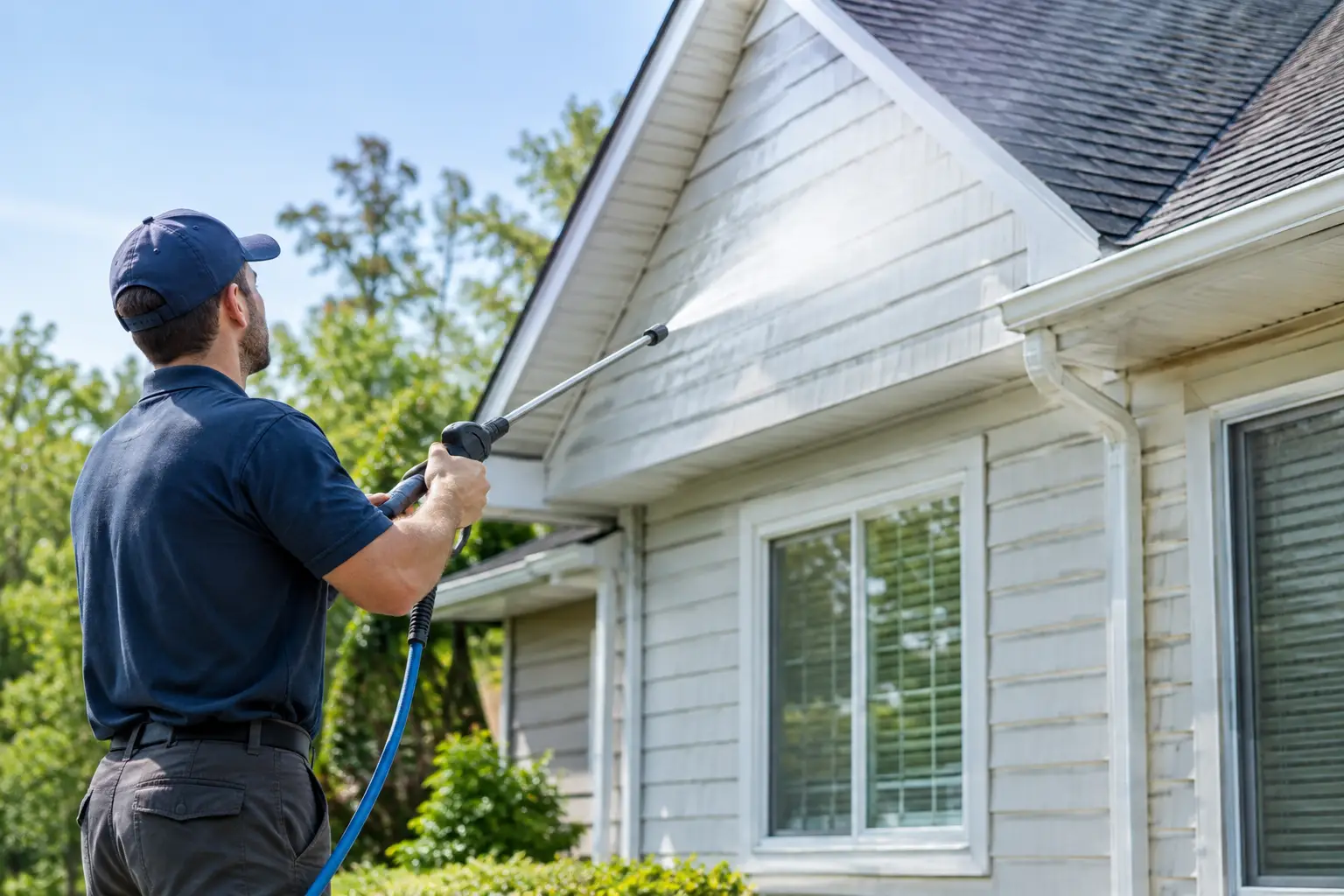
A freshly painted home can lose its impact quickly when mould streaks spread across the eaves, algae dulls the render and grime settles into paths. That is why soft washing trends are moving beyond a simple “clean-up” service and becoming part of planned property maintenance across south-east Queensland. Homeowners, body corporates and facility managers are looking for cleaning methods that deliver a visible result without taking unnecessary risks with paintwork, cladding, roofs or delicate finishes.
Soft washing uses purpose-selected cleaning treatments and controlled, low-pressure application to remove organic growth, dirt and pollutants. It is not a replacement for every pressure cleaning job. Concrete driveways, hardstand areas and heavily soiled commercial surfaces may still need pressure cleaning. The difference is knowing which method suits the surface, the contamination and the condition of the property.
Soft Washing Trends Are Becoming More Surface-Specific
The biggest change in exterior cleaning is the move away from a one-pressure-fits-all approach. Property owners have become more aware that excessive pressure can damage weathered paint, force water into gaps, disturb roof coatings and leave fragile finishes worse than before.
Soft washing is increasingly selected for painted exteriors, rendered walls, cladding, fences, eaves, gutters, tiled surfaces and other areas where care matters as much as cleaning power. Rather than relying on force alone, the treatment is designed to break down mould, algae, lichen and accumulated grime before a gentle rinse removes the residue.
This is especially relevant in Brisbane, Logan, the Gold Coast and the Sunshine Coast, where heat, rain and humidity create favourable conditions for organic growth. A wall that looks clean after a high-pressure rinse may still have spores sitting in the surface. A properly applied soft wash treatment addresses the growth rather than simply blasting away the visible layer.
The right method still depends on the material. Older paintwork, natural stone, timber, exposed aggregate and roof surfaces all require different assessment and handling. A professional cleaner should inspect the surface first, identify the source of staining and adjust the process accordingly.
Preventative Cleaning Is Replacing Last-Minute Cleaning
Many properties are now being cleaned before the exterior reaches the point of looking neglected. This is one of the most practical soft washing trends because it helps owners avoid heavier staining, more difficult restoration work and a rushed clean before a sale, inspection or tenant handover.
For homeowners, preventative soft washing keeps the property looking cared for between repainting cycles. For property managers and body corporate representatives, it creates a more consistent standard across common areas, entries, bin surrounds, paths and building facades. Schools and commercial sites benefit too, particularly where presentation and public safety are closely linked.
There is no fixed schedule that suits every building. A shaded home beneath established trees may need attention more often than a sunny, open property. Coastal exposure, nearby traffic, roof runoff and the type of exterior finish also affect how quickly grime returns. In many cases, an annual inspection is a sensible starting point, with cleaning arranged when growth begins to establish rather than when it has taken over.
Better Results Mean Treating the Cause, Not Just the Stain
Mould and algae do more than make a building look tired. They hold moisture against surfaces, contribute to slippery paths and can leave stubborn staining if ignored for too long. On painted finishes, prolonged growth may shorten the time between maintenance painting. On paths and pool surrounds, algae can become a safety concern for residents, visitors, staff and students.
Modern soft washing focuses on treatment dwell time, suitable dilution and thorough rinsing. Those details matter. Applying a cleaning solution too quickly, using the wrong concentration or rinsing before it has worked can lead to patchy results. Leaving chemical residue where it should not remain can also create avoidable risk.
A quality result is not simply about making a surface look brighter on the day. It is about removing the contamination in a controlled way, protecting nearby gardens and fixtures, and leaving the exterior ready for regular maintenance. This is where experience makes a genuine difference.
Safer Practice Includes More Than Lower Pressure
Low pressure alone does not make a cleaning job surface-safe. Good soft washing also involves protecting plants, covering or wetting sensitive areas where required, managing runoff and choosing treatments appropriate to the surface and surroundings.
This is particularly important at commercial premises, shopping centres, schools and strata properties. Cleaning teams need to consider pedestrian access, vehicle movements, entrances, outdoor furniture, drainage points and nearby landscaping. Work may need to be staged around business hours or school activity to keep the site practical and safe.
There is also a growing expectation for responsible chemical handling. Property owners should be wary of broad claims that any cleaning product is automatically harmless or “eco-friendly”. The more useful question is whether the treatment is correctly selected, carefully applied, managed around vegetation and rinsed responsibly. Effective exterior cleaning can be environmentally considerate, but it still requires trained handling and site awareness.
Presentation Is Now Part of Asset Protection
Soft washing is often booked for kerb appeal, and the transformation can be immediate. Clean walls, bright eaves and mould-free paths make a home feel more welcoming and can improve first impressions for buyers, tenants and visitors. For commercial properties, the same principle applies at a larger scale. A clean facade and entry area signal that the premises are managed with care.
The trend is not purely cosmetic, though. Owners are increasingly connecting exterior cleaning with the longer-term condition of the building. Removing organic growth from painted walls and delicate finishes can help preserve their appearance. Keeping paths, pool areas and shared accessways clean can also reduce the likelihood of slippery buildup becoming an issue.
For pre-sale preparation, soft washing can be one of the most cost-effective ways to lift presentation without undertaking major works. It will not repair peeling paint, cracked render or damaged seals, but it can reveal the true condition of the exterior and make well-maintained surfaces stand out.
Combined Exterior Services Are Gaining Ground
Another clear shift is towards complete exterior maintenance rather than booking one isolated task at a time. A house wash may sit alongside driveway pressure cleaning, window cleaning, pool area cleaning or sealing for concrete, tiles and natural stone. For commercial and institutional sites, building washing may be coordinated with car parks, footpaths, outdoor common areas and signage surrounds.
This approach is efficient because exterior problems rarely sit in one spot. Roof runoff can stain walls. Mould on shaded paths may return faster when nearby surfaces are left untreated. A clean driveway can look unfinished beside heavily stained entry walls. Planning complementary work produces a more consistent finish and can reduce disruption from multiple visits.
Still, not every surface needs the same service on the same day. Sealing should only be considered once the material is properly cleaned, dry and suitable for the product. Pressure cleaning should be reserved for surfaces that can handle it. Soft washing should be selected where low-pressure treatment will better protect the finish. Good advice is specific, not a package sold without inspection.
What to Ask Before Booking a Soft Wash
Before approving exterior cleaning, ask how the contractor will assess your surfaces and manage nearby plants, windows, outdoor areas and drainage. Ask whether soft washing, pressure cleaning or a combination is recommended, and why. You should also expect a clear scope of work so there is no confusion about which areas are included.
For strata, school and commercial properties, it is worth discussing access, timing and safety controls early. A reliable provider will work around site requirements, communicate clearly and leave the area clean and usable after the job.
The most worthwhile soft wash is not the one that promises the fastest blast of water. It is the one that matches the right treatment to your property, removes the grime you can see and helps protect the surfaces you want to keep looking their best.


